


Why Are Plastic Pallets Preferred in Food And Beverage Supply Chains?
Food and beverage companies often face challenges with hygiene control, moisture exposure, and repeated handling. Choosing the wrong pallet can increase cleaning work, damage products, and create unnecessary supply chain problems.
Plastic pallets are preferred in food and beverage supply chains because they provide stable dimensions, easy cleaning, moisture resistance, and reliable performance for repeated logistics operations.
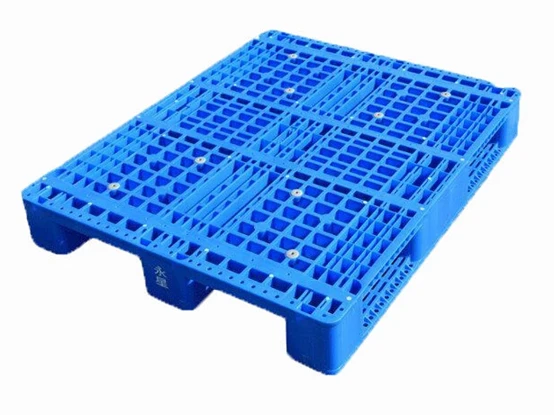
I have worked with many food, beverage, and logistics customers during my years in the plastic pallet industry. When customers first contact me, they usually do not ask about pallet materials first. They usually want to know whether the pallet can solve their daily problems in storage, transportation, and sanitation control.
For food and beverage companies, pallets are not only a loading platform. They are part of the whole supply chain system. A suitable pallet needs to handle cleaning, cold storage, warehouse movement, and repeated use. This is why more companies are moving from traditional wooden pallets to plastic pallets.
Why Are Plastic Pallets A Better Choice For Food And Beverage Logistics?
Many food companies used wooden pallets in the past because they were easy to purchase and had a lower initial cost. However, after years of operation, many companies found that maintenance, cleaning, and replacement costs became harder to control.
I often explain this to customers by comparing pallets with factory equipment. A low-cost machine may save money at the beginning, but frequent repairs and downtime can increase the real operating cost.
Plastic pallets are designed for repeated use. They are commonly made from PP or HDPE materials and produced through injection molding or blow molding processes. This manufacturing method helps create more stable dimensions and consistent structures compared with many traditional wooden pallets.
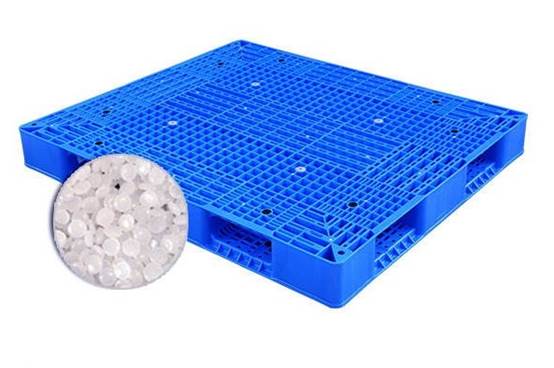
For food and beverage applications, companies usually focus on three main factors:
|
Key Requirement |
Why It Matters |
|
Clean and safe handling |
Supports food hygiene management |
|
Stable transportation performance |
Reduces handling problems |
|
Long service life |
Lowers replacement frequency |
I have seen beverage factories, cold storage companies, and food processing plants choose plastic pallets because these factors directly affect daily operation efficiency.
For companies that need different pallet structures, I usually recommend first checking the application environment instead of only comparing prices. For example, a warehouse pallet and a food processing pallet may have completely different requirements.
Our HDPE plastic pallets are commonly selected for applications that require good impact resistance, moisture resistance, and stable performance.
How Do Plastic Pallets Improve Hygiene Control In Food Supply Chains?
Food safety is one of the biggest reasons companies choose plastic pallets. Wooden pallets have natural surfaces that may absorb moisture, and damaged wood can create additional cleaning difficulties.
Plastic pallets have smoother surfaces that are easier to wash and sanitize. They do not absorb water like wood, and they can be used in environments where regular cleaning is required.
For example, in meat processing plants or beverage production facilities, pallets may be exposed to water, cleaning chemicals, and temperature changes every day. A pallet that is difficult to clean can increase management pressure.
When customers ask me which pallet is suitable for food applications, I usually suggest checking the following points:
|
Application Requirement |
Recommended Pallet Feature |
|
Food production area |
Food-grade plastic material |
|
Frequent washing |
Closed deck or smooth surface design |
|
Cold storage |
Low-temperature resistant material |
|
Automated handling |
Stable size and bottom structure |
I also remind customers that not every plastic pallet is automatically food grade. The material, production process, and quality control system are all important.
For food processing companies, food grade plastic pallets are usually selected because they focus on hygiene control, easy cleaning, and stable handling performance.
Why Are Plastic Pallets Suitable For Cold Storage And Beverage Transportation?
Cold chain logistics creates special challenges for pallet performance. Food and beverage products often move through refrigerated warehouses, freezers, and temperature-controlled transportation systems.
Wooden pallets may absorb moisture from condensation and temperature changes. Over time, this can affect their strength, appearance, and cleaning requirements.
Plastic pallets perform differently because they are moisture resistant. They maintain their shape better during repeated changes between cold and normal temperatures.
However, I always tell customers that they still need to choose the correct material and structure. Plastic pallets are not suitable for every environment without consideration.
For example:
Extremely low-temperature environments may require special material selection.
Outdoor applications may need UV-resistant treatment.
Chemical environments require material compatibility checks.
A suitable pallet should match:
|
Consideration |
Example |
|
Product weight |
Bottles, cans, food packages |
|
Handling equipment |
Forklift, pallet truck, conveyor |
|
Storage method |
Floor stacking or pallet racking |
|
Transportation distance |
Local delivery or export shipping |
In beverage supply chains, pallet strength is especially important because bottled drinks and packaged products create high loading pressure.
A lightweight pallet may work well for internal movement, while a heavy-duty pallet may be required for long-distance transportation or warehouse racking.
For these applications, heavy duty plastic pallets are often considered because they are designed for repeated industrial handling.
How Do Plastic Pallets Support Modern Food Supply Chains?
Modern food supply chains require more than simple transportation. Many companies now use automated warehouses, conveyor systems, and returnable packaging programs.
Plastic pallets can support these systems because they provide consistent dimensions and reliable structures for repeated operations. A pallet produced with a stable mold usually has less variation between units.
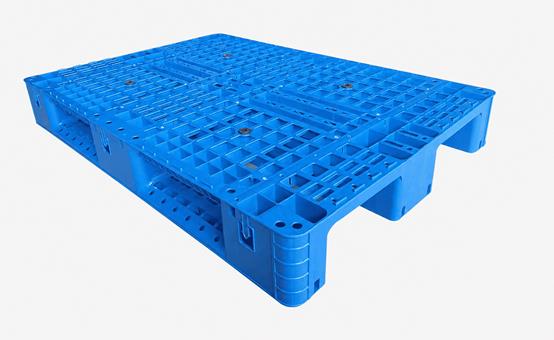
This difference becomes important in automated operations. Small size changes can affect pallet positioning, conveyor movement, and warehouse efficiency.
I have worked with customers who upgraded from mixed wooden pallets to standardized plastic pallets. Their biggest improvement was not only stronger pallets. It was the reduction of unexpected problems during daily operations.
For automated warehouse projects, customers often consider rackable plastic pallets because these pallets are designed to provide stable support when stored on pallet racking systems.
For returnable logistics, plastic pallets also provide value because they can be used many times. Food and beverage companies often move products between:
Production plants
Distribution centers
Retail warehouses
Partner facilities
A reusable pallet system helps companies control packaging flow and reduce frequent replacement.
|
Logistics Requirement |
Suitable Pallet Feature |
|
Automated warehouse |
Stable size and rack compatibility |
|
Long-distance transportation |
Strong structure and load capacity |
|
Return logistics |
Reusable and space-saving design |
|
Food processing |
Easy cleaning surface |
What Types Of Plastic Pallets Are Used In Food And Beverage Industries?
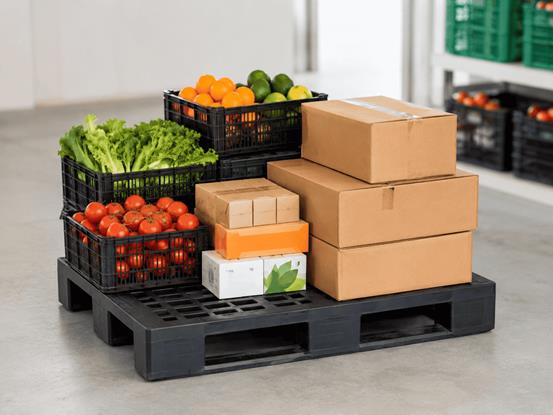
Different food and beverage operations need different pallet structures. I usually recommend choosing based on working conditions instead of choosing only by price.
A beverage factory, frozen food warehouse, and food processing plant may all use plastic pallets, but their requirements are different.
|
Pallet Type |
Common Application |
Main Benefit |
|
Closed deck pallet |
Food processing and clean environments |
Smooth surface and easy cleaning |
|
Heavy duty pallet |
Beverage and industrial transportation |
Higher load performance |
|
Nestable pallet |
Distribution and export logistics |
Saves return transport space |
|
Rackable pallet |
Warehouse racking systems |
Stable support on racks |
A food grade plastic pallet is often selected for applications where hygiene control is important. These pallets usually focus on smooth surfaces, easy cleaning, and stable performance.
For beverage companies, heavy-duty designs are often considered because bottles, cans, and packaged drinks create high loading pressure.
For distribution networks, nestable plastic pallets can help reduce empty pallet storage space and transportation costs.
Are Plastic Pallets More Cost Effective Than Wooden Pallets?
Many buyers compare only the purchase price, but I usually suggest looking at the total operating cost.
Wooden pallets may have a lower first cost. However, companies should also consider replacement frequency, repair costs, cleaning requirements, labor time, and export requirements.
Plastic pallets usually require a higher initial investment, but they can provide longer service in repeated-use systems.
I compare it like this: buying a pallet is not only buying a piece of plastic. It is buying a tool that supports daily logistics operations.
|
Cost Factor |
Plastic Pallets |
Wooden Pallets |
|
Initial purchase cost |
Usually higher |
Usually lower |
|
Cleaning |
Easier |
More difficult |
|
Moisture resistance |
Better performance |
Can absorb water |
|
Repair |
Usually replaced after damage |
Can often be repaired |
|
Repeated use |
Suitable for circulation systems |
Depends on condition |
For companies that use pallets many times, the cost per use is often more important than the original purchase price.
The correct choice depends on how often the pallet is used, what products it carries, and what environment it works in.
How Should Food Companies Choose The Right Plastic Pallet?
When I help customers select pallets, I usually start with the actual working conditions.
The key questions are:
- What product will the pallet carry?
- What is the maximum load?
- Will it be stored on racks?
- Will it enter cold storage?
- How will it be cleaned?
Load information is especially important. Customers should understand the difference between dynamic load, static load, and racking load.
|
Load Type |
Meaning |
|
Dynamic load |
Weight during transportation and forklift movement |
|
Static load |
Weight during stationary storage |
|
Racking load |
Weight when supported by warehouse racks |
Many purchasing mistakes happen because customers only check one load number. A pallet that works well on the warehouse floor may not be suitable for pallet racking.
Size is also important. Common sizes include 1200×1000mm, 1200×800mm, and 48×40 inch pallets.
The right size should match:
Warehouse space
Container loading requirements
Transportation equipment
Existing pallet systems
For customers who need help comparing dimensions, our guide about plastic pallet sizes explains common dimensions and selection factors.
What Should Buyers Check Before Purchasing Plastic Pallets?
From my experience, many purchasing problems happen because buyers focus only on price.
A lower-priced pallet may use lighter construction, lower material quality, or a design that does not match the working environment.
Before placing an order, I suggest checking:
|
Check Point |
Why It Matters |
|
Material |
Affects strength and durability |
|
Production process |
Affects consistency |
|
Load testing |
Confirms performance |
|
Supplier experience |
Reduces selection risk |
Buyers should also ask suppliers about:
Production capacity
Quality inspection process
Customization options
Certification support
A reliable supplier should understand the customer's application instead of only providing a product quotation.
Conclusion
Plastic pallets help food and beverage companies improve hygiene, efficiency, and supply chain stability. The right pallet depends on the product, environment, and logistics requirements.
My Role
I have worked in the plastic pallet industry for many years, helping customers understand pallet structures, materials, production methods, and application requirements.
My goal is to explain pallet selection from a practical factory and supply chain perspective. I focus on helping customers choose suitable products based on real working conditions.
About Enlightening Pallet
Enlightening Pallet is a professional plastic pallet manufacturer with more than 20 years of production experience in China. We provide customized plastic pallet solutions for brands, wholesalers, distributors, and industrial users worldwide.
We specialize in:
Plastic pallet manufacturing
Custom colors, logos, and mold development
OEM and ODM plastic pallet solutions
Plastic pallets for food, beverage, pharmaceutical, logistics, and industrial applications
Our production system includes more than 60 injection molding and rotational molding machines. Each production line is managed by experienced quality control teams to maintain stable product quality.
Quality Guarantee
We focus on:
Raw material inspection
Precision manufacturing
Full product inspection
ISO 9001 quality management
Our plastic pallets support international standards and certifications, including ISO 9001, CE, REACH, ROHS, SGS, FDA, and GRS.
Production Capability
We provide:
Stable manufacturing capacity
Flexible customization options
Professional technical support
Reliable delivery for bulk orders
With advanced production equipment and experienced teams, Enlightening Pallet helps global customers build reliable and efficient logistics systems.
Global Customers
Our customers include:
Food and beverage companies
Pharmaceutical manufacturers
Logistics providers
Warehouse operators
Plastic pallet distributors
We help purchasing managers and business owners reduce procurement risks, improve supply chain stability, and select suitable plastic pallet solutions based on their actual applications.
About Our Client
Our typical clients include purchasing managers, CEOs, distributors, warehouse professionals, and supply chain companies.
They usually need:
Reliable product quality
Stable delivery time
Competitive purchasing costs
Professional technical support
Their main goal is to reduce operational problems and build a stable supply chain.
By understanding their application requirements, we provide suitable plastic pallet recommendations and customized solutions.
Frequently Asked Questions About Plastic Pallets For Food And Beverage Applications
Q: Are plastic pallets safe for food and beverage use?
A: Yes, food-grade plastic pallets made with suitable materials can support food and beverage applications. Buyers should confirm material grade, production standards, and supplier quality control.
Q: Can plastic pallets be used in cold storage?
A: Yes, many plastic pallets are used in cold storage environments. However, customers should confirm the material performance according to the actual temperature range.
Q: What type of plastic pallet is suitable for beverage factories?
A: Beverage factories usually consider heavy-duty plastic pallets because bottled drinks and packaged products create higher loading pressure during storage and transportation.
Q: Are plastic pallets better than wooden pallets for food applications?
A: Plastic pallets are often selected for food applications because they are easier to clean, more moisture resistant, and suitable for repeated use. The final choice depends on the working environment and budget.
