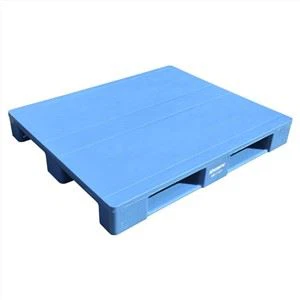
Q: What is a hygiene pallet?
A: Crafted from food grade plastic, and designed with smooth surfaces they are the ideal choice for the food, meat and pharma industries. They are available in recycled plastic for non-food applications.
Q: What is a plastic pallet?
A: Plastic pallets are rigid structures that provide stability to goods during transportation or storage. They are one of the important tools in the supply chain and logistics industry. Plastic pallets offer many advantages over pallets constructed from other materials.
Q: What is hygiene plastic pallet?
A: Hygiene plastic pallet, which do not absorb chemicals or need to be treated with pesticides, are the clear choice within a cleanroom environment and are also a safer and more hygienic solution for transporting products produced in cleanrooms to storage facilities and end retailers.
Q: How many times can a plastic pallet be reused?
A: Plastic pallets are incredibly durable platforms that can make in excess of 100 trips in their lifetime before they become unfit for the purpose.
Q: Why use hygiene plastic pallet?
A: Hygiene plastic palletare made of sturdy, hardened material and are built to last longer.
Q: Are plastic pallets good?
A: Plastic pallets offer users fantastic durability and lifespan. Because they are not porous, natural factors such as pests and humidity play virtually no part in upkeep.
Q: Do hygiene plastic pallet rot?
A: Hygiene plastic pallet are not porous, making them immune to the damage moisture can cause, such as mold and rot.
Q: What is the future of hygiene plastic pallet?
A: "Hygiene plastic pallet market" is expected to witness significant growth in the coming years, primarily driven by the growing demand for (food, medical, chemical, electronics, others), based on the type, the market can be segmented into (HDPE plastic pallets, PP plastic pallets).
Q: What type of companies use hygiene plastic pallet?
A: Hygiene plastic palletare widely used in retail and distribution industries due to their durability, consistent dimensions, and compatibility with automated systems.
Q: Can you stand on hygiene plastic pallet?
A: Hygiene plastic palleton its edge isn't stable and can fall over and injure a worker. Pallets should be set firmly, bottom down, on a flat surface. Use caution when standing on a pallet or moving between pallets.
Q: Are hygiene plastic pallet food grade?
A: Hygiene plastic pallet not only meet food grade pallet standards, they exceed them. Plastic has a non-porous surface that can be more easily cleaned and sanitized between loads than wood pallets.
Q: What are plastic pallets made of?
A: Plastic pallets are usually manufactured from either virgin or recycled HDPE(high density polyethylene) or PP (polypropylene). The material is usually dependent upon the proposed application. Virgin materials are recommended for hygienic use or high performance.
Q: How long do hygiene plastic pallet last?
A: Heat moulded hygiene plastic pallet retain their strength and structure over a 10-year lifespan. Realistically, this means that plastic pallets are usable for upwards of 10 years.
Q: How do you store hygiene plastic pallet?
A: The preferred method to store empty hygiene plastic pallet is outside, in a fenced yard a safe distance from buildings and structures.
Q: Can you paint hygiene plastic pallet?
A: If you have a standard plastic pallet, you can use a stencil and spray paint to create your design.
Q: How many plastic pallets fit on a truck?
A: Both 53-foot vans and 48-foot vans are commonly used in truck shipping. So, in a 53-foot van, around 26 single-stacked pallets will fit, or 52 double-stacked pallets. On the other hand, in a 48-foot truck, around 24 single stacked pallets and 48 double-stacked pallets will fit.
Q: What is the best way to cut a hygiene plastic pallet?
A: The best way to cut hygiene plastic pallet is by using a saw specifically designed for plastics.
Q: How often should I clean my plastic pallets?
A: The frequency of cleaning your plastic pallets will depend on the frequency of use, the environment they are used in, and the type of materials they carry. If you use your pallets frequently or in a dirty environment, it is advisable to clean them regularly, at least once a week.
Q: What is the best way to dry pallets after cleaning?
A: The best way to dry your pallets is by leaving them in a dry, well-ventilated area. Do not attempt to dry your pallets with a heater, as it can cause them to warp or melt.
Q: Can I use a power washer to clean my hygiene plastic pallet?
A: Yes, you can use a power washer to clean your plastic pallets, but make sure to set the pressure at a lower level. High pressure can damage the pallets.