


What Is PP Plastic?
I. Introduction
Have you ever wondered why some toys withstand being thrown, banged, and even chewed? Or why the lid on your shampoo bottle remains intact despite constant use? The answer lies in the remarkable properties of polypropylene plastic, commonly known as PP plastic. This versatile material is a cornerstone in various industries, making it an essential component in everyday products that require durability and resilience.
II. Characteristics of PP Plastic
Polypropylene plastic (PP) is the second most widely used plastic in the world, renowned for its strength and resistance to external factors. It is a thermoplastic polymer, meaning it can be melted and reshaped multiple times without losing its core properties. This versatility allows PP to be molded into various shapes and forms, making it a favored choice for a wide array of applications.
III. Benefits of PP Plastic
Chemical Resistance PP plastic exhibits excellent resistance to many chemicals, which makes it particularly suitable for containers and pallets used in industries that handle aggressive substances. Its ability to withstand corrosive materials without degrading ensures that products remain safe and effective during storage and transport.
Biological Resistance One of the standout features of PP plastic is its resistance to biological factors. It does not deteriorate or support mold growth from fungi and bacteria, making it a safe choice for items that require hygiene, such as medical devices and food packaging.
Water Resistance The impermeability of PP plastic is a critical characteristic for applications that involve total immersion in liquids. This property is essential in industrial settings and medical environments where moisture control is vital for maintaining product integrity.
Fatigue Resistance Polypropylene is capable of maintaining its shape after experiencing torsion or bending. This quality is particularly valuable in applications like living hinges, which allow for repeated opening and closing, such as those found in shampoo bottles.
Insulation Properties With high resistance to electricity, PP plastic is a preferred material for electronic components. Its insulating properties ensure safety and efficiency, making it ideal for various electrical applications.
High Melting Point The high melting point of PP plastic makes it suitable for kitchen utensils and food appliances that need to withstand heat without warping or degrading. This durability is crucial for items used in cooking and food preparation.
Low Cost One of the most appealing aspects of PP plastic is its affordability. This characteristic allows it to be widely available and accessible to various industries, making it an economical choice for manufacturers and consumers alike.
Recyclability PP plastic is a sustainable material that is fully recyclable. Unlike many other plastics, it can be reused multiple times, significantly reducing its environmental impact. This recyclability contributes to a more sustainable lifecycle for products made from PP.
IV. Applications of PP Plastic
Material Handling Polypropylene is commonly used to manufacture plastic pallets and other material-handling products tailored to specific industrial applications. Its lightweight yet sturdy nature enhances efficiency in logistics and warehousing.
Automobile Industry In the automotive sector, PP plastic is frequently utilized to manufacture components such as car batteries, bumpers, interior elements, and cladding. Its durability and lightweight properties contribute to improved fuel efficiency and safety.
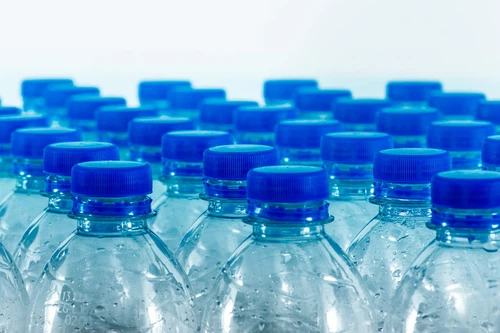
Packaging Material Due to its low cost and flexibility, PP has become a preferred choice for various packaging forms. It has largely replaced traditional materials like paper and cellophane, becoming essential in producing pallets, bottles, jars, yogurt containers, and hot beverage cups.
Medical Applications The medical industry relies on PP plastic for its ability to withstand stringent sterilization procedures. It is commonly used in constructing medical devices and packaging systems for both liquid and solid pharmaceuticals, ensuring safety and efficacy.
Toys Many durable toys are constructed from polypropylene plastic, ensuring they can withstand the rigors of play. This resilience makes PP an ideal material for manufacturers aiming to produce long-lasting products for children.
Housewares PP plastic is also prevalent in household items such as rugs, mats, carpets, plates, and various kitchen utensils. Its versatility allows it to be molded into different shapes, enhancing functionality and aesthetics in home products.
V. Conclusion
PP plastic is a remarkable material that combines strength, versatility, and sustainability, making it an indispensable component in countless applications. From household items to industrial uses, its benefits and widespread adoption continue to impact various sectors significantly. Understanding what PP plastic is and its advantages can help consumers and businesses alike make informed decisions about their material choices, ultimately leading to safer, more efficient, and environmentally friendly products.
