


How To Organize Screws, Nuts, And Bolts in A Warehouse?
Have you ever spent too much time looking for one box of bolts in a warehouse? Poor storage wastes time, causes stock errors, and slows down daily work.
To organize screws, nuts, and bolts in a warehouse, I recommend sorting them by type, size, and thread. Store each type in labeled bins, place frequently used parts near picking areas, and keep bulk stock on shelves. Use regular inventory checks to prevent shortages and mixing.
Organizing small hardware may sound simple, but a warehouse often holds hundreds of different fasteners. Some parts look almost identical, while others are heavy or need protection from moisture. I will explain how I organize these parts, choose storage containers, and set up a system that warehouse workers can use every day.
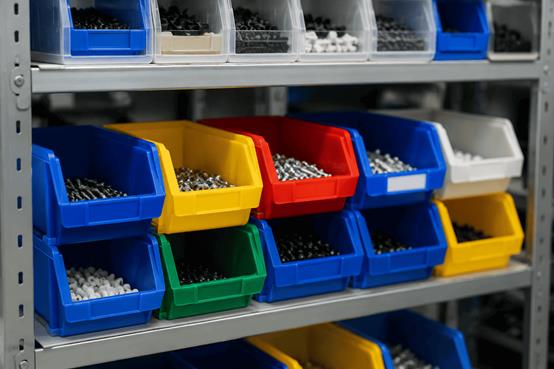
How Should You Sort Screws, Nuts, and Bolts in a Warehouse?
Mixing different fasteners in the same container creates more work than it saves. Workers spend time checking sizes, and they may pick the wrong parts for an order.
I recommend sorting warehouse fasteners in three stages: first by type, then by size and thread, and finally by material or grade. I also keep damaged and unidentified parts separate. This gives every item a clear storage location and makes picking and stock checks easier.
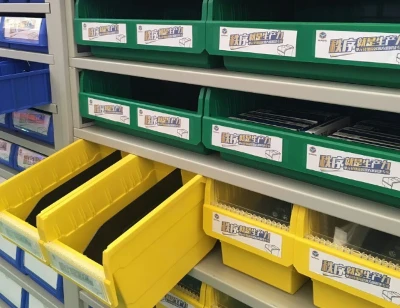
Separate Fasteners by Type
I always start with the basic types of fasteners. Screws, bolts, nuts, washers, and pins should have separate storage areas or bins.
For example, a warehouse may store hex bolts, socket head bolts, machine screws, lock nuts, and flat washers. Putting all these parts together makes picking difficult, even when workers know what they need.
I recommend giving each type its own product category and location code. This makes warehouse labels and inventory records easier to manage.
|
Fastener Type |
Common Examples |
Storage Recommendation |
|
Screws |
Wood screws, machine screws, self-tapping screws |
Small divided bins |
|
Bolts |
Hex bolts, socket head bolts |
Open-front plastic bins |
|
Nuts |
Hex nuts, lock nuts, wing nuts |
Small labeled containers |
|
Washers |
Flat washers, spring washers |
Divided parts bins |
|
Other Hardware |
Pins, rivets, clips |
Separate labeled bins |
Organize by Size, Thread, and Grade
After sorting by type, I divide fasteners by size. A warehouse may have M6, M8, and M10 bolts. Each size may also have several lengths.
For example, M8 × 20 mm and M8 × 30 mm bolts should be stored separately. The M8 refers to the nominal thread diameter, while the second number normally refers to the bolt length in millimeters.
I also check thread pitch, material, and strength grade. Two bolts may look the same but have different mechanical properties. Mixing Grade 8.8 bolts with Grade 10.9 bolts can cause serious problems when the fasteners are used in load-bearing equipment.
Remove Damaged and Unidentified Hardware
I recommend setting up a separate inspection bin for rusty, damaged, or unidentified fasteners. Workers should not return these parts to normal inventory until someone checks them.
This is especially important for fasteners used in machinery, racks, and structural connections.
What Are the Best Storage Solutions for Screws, Nuts, and Bolts?
Using the wrong containers can waste shelf space and slow down picking. Small drawers may not handle heavy bolts, while large boxes can make tiny screws difficult to find.
For warehouse hardware storage, I recommend open-front bins for frequent picking, divided bins for small parts, drawer cabinets for many different sizes, and stackable plastic bins for larger stock quantities. The right choice depends on part weight, stock volume, available space, and picking frequency.
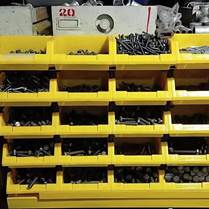
Open-Front Plastic Bins for Daily Picking
For parts that workers use every day, I prefer open-front bins. Workers can see and reach the contents without opening a lid.For example, an assembly line may use hundreds of M6 nuts and washers each day. I would place these parts in clearly labeled bins close to the work area.
Our open-fronted plastic bins are made from PP plastic and come in several sizes. Their open-front structure allows workers to pick parts directly, and the stackable design helps organize available storage space.I also recommend checking the rated load before filling these bins with metal hardware. Screws and bolts are much heavier than many plastic components.
Divided Storage Bins for Small Fasteners
Some warehouses store many types of small fasteners, but only a limited quantity of each type.In this case, I recommend plastic parts bins with dividers. The dividers allow workers to separate several groups of small parts inside a storage container.This design is useful for washers, small screws, clips, and other light hardware.I would still give each compartment a clear label. A divided bin is only helpful when workers know where every item belongs.
Multi-Drawer Cabinets for Many Part Numbers
Drawer cabinets are useful when a warehouse holds many different fastener sizes in small quantities.I would choose transparent drawers or cabinets with clear front labels. Workers can then find the required size without opening every drawer.However, I would not use light-duty drawers for large quantities of heavy steel bolts unless their rated load allows it.
Stackable Plastic Bins for Bulk Hardware
For larger quantities, I prefer stackable industrial storage bins. They can be arranged on shelves and moved when storage needs change.Our industrial plastic stackable storage bins use PP plastic and offer features such as adjustable dividers, label holders, and stacking or hanging options.These features are useful when a warehouse needs different bin sizes and storage positions.I recommend testing a fully loaded sample before buying a large quantity. This helps confirm that the container and shelf can safely support the intended load.
Which Hardware Storage System Works Best for Your Warehouse?
Buying one type of bin for every fastener may seem easier. However, this often wastes space and makes some parts harder to reach.
I recommend combining storage methods instead of using only one. Keep frequently picked fasteners in open-front bins, small mixed-size inventories in divided bins or drawers, and bulk stock in stackable containers. This separates daily picking from reserve storage and helps workers find parts faster.
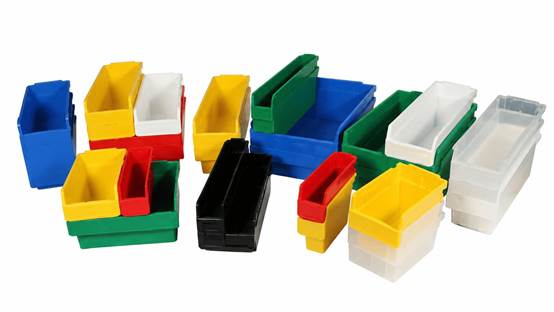
Compare Storage Systems Before Buying
I usually compare storage containers based on how workers will use them, rather than appearance alone.
|
Storage System |
Space Use |
Picking Access |
Dust Protection |
Suitable Application |
|
Open-Front Bins |
Good |
Very easy |
Limited |
Daily picking |
|
Divided Parts Bins |
Good |
Easy |
Depends on lid |
Small fasteners |
|
Multi-Drawer Cabinets |
High |
Moderate |
Generally good |
Many part numbers |
|
Stackable Plastic Bins |
High |
Depends on layout |
Depends on lid |
Bulk warehouse stock |
|
Lidded Storage Totes |
Good |
Requires opening |
Better with suitable lids |
Reserve stock and transport |
These are general comparisons. Actual performance depends on container design and warehouse layout.
Use Different Storage Areas for Picking and Reserve Stock
One practical method I recommend is to divide the warehouse into a picking area and a reserve storage area.For example, a worker may need M8 bolts several times each day. I would keep a smaller quantity in an accessible picking bin and store the remaining cartons or bulk stock on nearby shelves.When the picking bin runs low, staff can refill it from reserve stock.This prevents workers from opening large containers every time they need a handful of bolts. It also helps keep busy picking areas less crowded.
Choose Containers Based on Actual Weight
Metal fasteners are dense. A small bin filled with steel bolts can be surprisingly heavy.For example, if each bolt weighs 20 g, 1,000 bolts weigh 20 kg, excluding packaging. This is a simple calculation, but it shows why a container can reach its load limit before it looks full.I always recommend checking the weight of the intended contents against the bin's rated load. For stacked bins, workers must also check the allowed stacking load and supporting shelf capacity.
How Do You Set Up an Organized Hardware Storage System?
Even good storage bins cannot solve problems when every worker puts parts in a different place. Without a clear system, a warehouse can become disorganized again within weeks.
To set up a warehouse hardware storage system, I recommend measuring the storage space, choosing containers by part size and weight, assigning a fixed location to each SKU, and placing frequently used parts near picking stations. Clear labels and consistent stock records make the system easier to maintain.
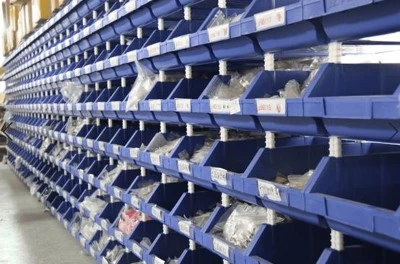
Step 1: Measure Shelves and Storage Areas
Before selecting bins, I measure the shelf width, depth, and height. I also check the rack's rated capacity and the available space for workers to pick and move containers.A bin that fits on a shelf is not always easy to use. Workers still need enough room to reach inside or remove it safely.
For warehouses that need different container sizes, I suggest checking our warehouse plastic storage bins and comparing their dimensions with the existing rack layout.
Step 2: Select the Right Bin Sizes
I do not recommend using oversized bins for every fastener.For example, a small quantity of M4 washers may only need a compact bin, while larger bolts may need a stronger container with more space.I also consider future stock growth. If the warehouse expects to add new products, choosing a compatible range of bin sizes can make expansion easier.
Step 3: Give Every Bin a Clear Label
Each fastener should have its own identification code and storage location.
For example, I might use the following label:HEX BOLT | M8 × 30 mm | Grade 8.8 | BIN A-03-12
The label identifies the product, size, grade, and location.For larger warehouses, I recommend adding barcodes and connecting storage locations to the warehouse management system.I also prefer using color-coded labels to identify different product groups. However, color should support the written label rather than replace it.
Step 4: Arrange Parts by Picking Frequency
I place frequently used parts at a comfortable picking height and near the areas where workers need them.Heavy containers should stay on suitable lower shelves. Less frequently used products can be placed farther from the main picking area.For a large warehouse, I may use ABC inventory classification. A items are picked most often, B items have moderate demand, and C items are used less frequently.I would review the picking records before deciding which products belong in each group.
How Can You Keep Screws, Nuts, and Bolts Organized Over Time?
A warehouse may look organized after the first cleanup. But missing labels, mixed stock, and poor replenishment can quickly bring the same problems back.
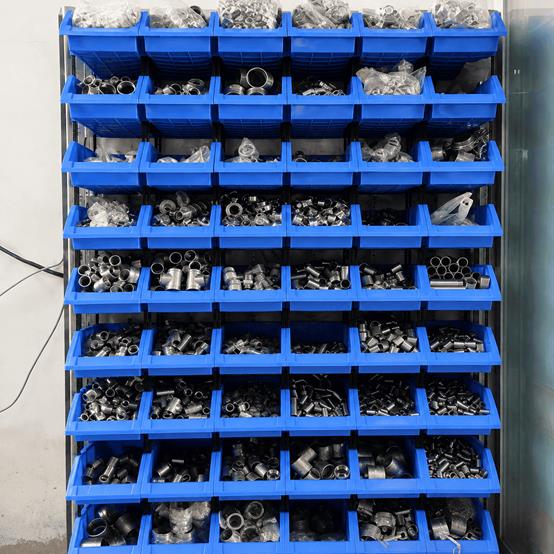
I recommend keeping each fastener in a fixed location, checking stock regularly, and separating damaged or returned parts. Workers should refill picking bins from reserve stock and record stock movements. I also recommend controlling moisture to reduce rust and inspecting storage containers for damage.
Prevent Rust and Moisture Damage
Many screws, nuts, and bolts are made from steel. Even when they have a protective coating, poor storage conditions can lead to corrosion.I recommend keeping these fasteners in a dry area and protecting them from direct water exposure.Plastic containers do not rust, but they do not automatically prevent moisture from reaching the metal parts inside.
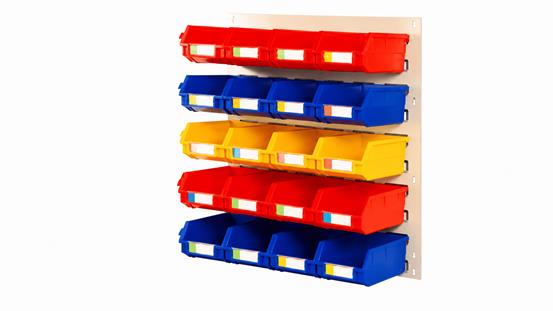
For fasteners that need better protection, I suggest suitable closed containers, protective packaging, or moisture-control products based on the manufacturer's storage requirements.Our plastic interlocking bins are designed for organized industrial parts storage. Their interlocking structure can also help create a more stable storage arrangement where the product's rated loading conditions are followed.
Use FIFO When It Fits Your Inventory
I often recommend FIFO, or First In, First Out, for stock that may be affected by long storage periods.This means workers use older stock before newer stock, as long as the products have the same specifications and remain in suitable condition.For fasteners, I also check material grades, batch identification, coatings, and any customer traceability requirements. Workers should never mix batches when the application requires separate batch records.
Set Minimum Stock Levels
Workers should not discover a shortage only when they need a part.I suggest setting minimum stock levels based on normal demand and replenishment time.For example, if a warehouse uses 500 bolts each working day and replacement stock normally arrives in 10 working days, it needs to plan for around 5,000 bolts during that period, plus suitable safety stock.The actual minimum level should also account for demand changes and delivery delays.
Check Storage Bins Regularly
Warehouse staff should inspect storage containers for cracked walls, damaged edges, loose dividers, and unstable stacking.I pay special attention to containers used for heavy metal parts because repeated loading and movement can put more stress on the plastic structure.If a container shows damage, I recommend removing it from use until it is checked or replaced.
How Do You Choose the Right Plastic Storage Bins for Warehouse Hardware?
A cheap bin is not always the most economical choice. If it breaks under a heavy load or does not fit the shelving system, the warehouse may need to replace it.
When selecting plastic storage bins, I recommend checking five things: container dimensions, material, rated load, stacking design, and picking access. I also compare how easily workers can clean, label, and move the containers. These details affect daily handling and long-term storage costs.
Choose a Suitable Material
PP and HDPE are common materials for industrial plastic storage containers.PP can provide a good balance of stiffness, weight, and chemical resistance. HDPE is also widely used because of its toughness and impact resistance.
However, the actual performance depends on the material grade, temperature, container design, and manufacturing process.I would not choose between them based only on the material name. I would also check the manufacturer's test information and the intended working conditions.
Check Load Capacity and Stacking Safety
For hardware storage, load capacity is one of the first details I check.A warehouse may store light plastic clips in one area and heavy steel bolts in another. These products should not automatically use the same container.
I recommend checking the maximum load per bin, the allowed stacking load, and the shelf's rated capacity.I also look at the bin's base and sidewall structure. Reinforced designs may be more suitable for heavier parts, but their actual load rating must still be verified.
Consider Future Warehouse Expansion
Warehouse storage needs can change as the number of products increases.I prefer containers with consistent dimensions and compatible storage accessories. This makes it easier to add more bins without changing the whole rack layout.For parts that need frequent picking, plastic pick tower bins are another option. They offer open-front access, labeling space, and a stackable design for different industrial parts.
Request Samples Before Bulk Purchasing
When a customer plans to purchase a large number of storage bins, I recommend testing samples first.
The test should use the actual hardware that the customer plans to store. It should also reflect the expected loading, picking, stacking, and handling conditions.
At Enlightening Pallet, we manufacture and supply plastic storage solutions for industrial and warehouse applications. We can help customers compare available bin sizes, materials, and customization options.
If you are planning a warehouse storage project, you can contact our team with your required dimensions, expected load per bin, purchase quantity, and destination country. We can then discuss suitable products and quotation options.
Conclusion
I recommend sorting hardware by specification, using suitable labeled bins, and separating picking stock from bulk inventory. Regular checks will help keep your warehouse organized and efficient.
Frequently Asked Questions About Warehouse Fastener Storage
Q: What Is the Best Way to Store Nuts and Bolts in a Warehouse?
A: I recommend sorting nuts and bolts by type, thread size, length, and grade. Each SKU should have a fixed location and a clear label. Open-front plastic bins work well for regular picking, while larger containers can hold reserve stock. I also recommend keeping stock records updated whenever workers move or refill inventory.
Q: How Should You Organize Thousands of Screws?
A: For thousands of screws, I would first separate each specification into its own SKU. I would then use labeled plastic bins or drawers for picking and larger containers for bulk stock. If the warehouse handles many orders, barcode labels and inventory software can reduce manual checking and help workers find the correct items.
Q: Can Plastic Storage Bins Hold Heavy Steel Bolts?
A: Yes, some industrial plastic bins can store heavy steel bolts, but the load must stay within the manufacturer's rating. I recommend checking the weight of the filled bin, its stacking limits, and the supporting shelf capacity. I would also test a sample under normal warehouse conditions before placing a large order.
Q: How Do You Prevent Different Bolt Sizes From Mixing?
A: I recommend assigning each bolt specification to a separate bin or divided compartment. Workers should check product labels before restocking. I also suggest keeping returned or unidentified bolts in a separate inspection area instead of placing them directly into normal inventory.
Q: Should You Store Screws and Bolts in Open or Closed Bins?
A: I prefer open-front bins when workers need frequent access in a clean, dry warehouse. Closed bins are useful when parts need more protection from dust or during transport. For corrosion-sensitive metal fasteners, I would also consider protective packaging and moisture control rather than depending only on a plastic lid.
