


Can A Plastic Garbage Bin Survive The New Plastic Bans And Still Be Recycled?
What the NSW Single‑Use Plastic Ban Means for plastic garbage Containers
As Australia tightens its plastic regulations, even durable items like plastic garbage bins-which aren't classified as single-use-are coming under closer scrutiny.
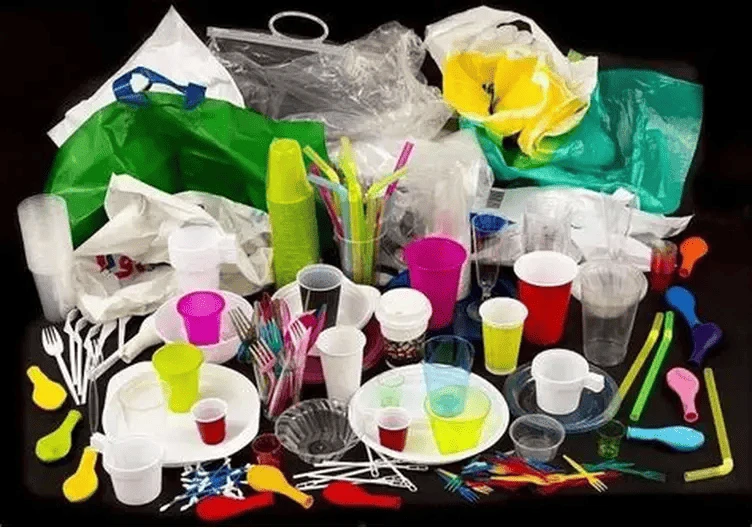
The latest phase of New South Wales' (NSW) plastic ban goes far beyond straws and cutlery. Between 2027 and 2030, the state will begin phasing out various "hard-to-recycle" plastic products, such as bread tags, pizza savers, plastic umbrella sleeves, and miniature condiment containers.
Although plastic waste bins are not directly targeted under the ban, the message is clear: all plastic products, regardless of their lifespan, must align with recyclability standards. The policy reflects a broader shift in focus-from how plastics are used to how they are made and what happens to them at end-of-life. Products made with unrecyclable materials are increasingly seen as liabilities, both environmentally and economically.
This shift is already reshaping commercial procurement behavior. Facility managers, municipal buyers, and bulk distributors are actively re-evaluating their waste-handling systems. Many are moving toward garbage recycling bin combos with recyclable bodies, modular parts, or materials made from post-consumer resin. For B2B buyers, this is no longer just an environmental checkbox-it's a long-term asset management strategy.
Here are a few examples of plastic items on NSW's upcoming phase-out list:
- Pizza savers (plastic supports in takeaway boxes)
- Bread tags
- Plastic bags with handles, regardless of thickness
More than a regulatory update, this policy signals a shift in market values-toward transparent sourcing, traceable design, and long-term sustainability. For rigid plastic products like garbage bins, the path forward is simple: innovate for circularity or risk being left behind.
How This Trend Affects Plastic Trash Bins and Their Recyclability
Environmental compliance is no longer optional-and plastic trash bins are no exception.
Recyclability has become a key benchmark when industrial buyers evaluate waste management solutions.
For decades, commercial-grade garbage bins have been engineered for strength, not circularity. Many are made from mixed resins or reinforced with metal components like axles and handles. While these elements boost structural durability, they also make post-use recycling more difficult and costly.
Let's start with the garbage bin size. The larger the bin, the more plastic material needs to be handled during end-of-life processing. When bins also include wheels, metal hardware, or internal compartments, they introduce multiple material types. Unless these parts are designed for easy separation, they slow down or even block mechanical recycling.
Contamination is another issue. Trash bins used in commercial or outdoor settings are frequently exposed to grease, chemicals, or organic waste. If the bin is not thoroughly cleaned, residual contaminants can degrade the quality of recycled pellets or lead to entire batches being discarded.
Some garbage bins also contain non-recyclable pigments or additives. For instance, black coloring often interferes with optical sorting, making these bins harder to identify and sort automatically-often resulting in landfilling.
However, structural design can change the outcome. Garbage bins made from mono-material HDPE using one-piece injection molding are significantly easier to recycle. This design avoids mixed resins and internal seams, reducing disassembly work and contamination risk at the recycling facility.
For B2B buyers managing hundreds or thousands of bins across facilities, these differences matter. Difficult-to-recycle bins create long-term waste-handling costs and jeopardize environmental targets. In contrast, modular or single-material bins with clear end-of-life pathways not only meet policy expectations-they support your brand's ESG commitments and simplify supply chain decisions.
What Happens to a Recycled Plastic Garbage Bin in the Commercial Chain
Once the bin reaches the end of its use, where does it go-and can it come back?
In a standard B2B recycling loop, used plastic dustbins with wheels are collected from industrial or municipal users, then transported to recycling centers. The bins are first shredded, then washed, dried, and processed into pellets. These pellets are reused in new rigid plastic items such as pallets, containers, or even new bins.
But two conditions must be met:
- The bin's components must be easily separable, especially non-plastic parts like wheels or metal bars.
- The bin must be clean enough to avoid contamination during pellet production.
If these steps fail, the material won't meet recyclability standards. Instead of becoming a reusable resource, the bin ends up incinerated or landfilled-wasting value and creating compliance risks.
That's why material choice alone isn't enough. Commercial recyclability depends on how well the product is designed for disassembly, cleaning, and reintegration into the next production cycle.

What Manufacturers Can Do to Make Plastic Garbage Bins Truly Recyclable
Recyclability starts at the design table-if the structure is wrong, the recycling chain breaks down before it even begins.
For manufacturers of commercial garbage bins, the challenge is clear: build strength without compromising circularity. That means replacing complex, mixed-material structures with simplified designs using traceable, recyclable resins.
The first step? Material purity. Using a single-resin injection mold, typically HDPE or PP, eliminates the need for disassembly and ensures that the bin enters recycling lines without delay. It's even better when modular lids, handles, or wheels are attached via clips or fasteners instead of being molded in-this allows easy separation and component reuse.
But recyclability doesn't mean sacrificing strength. By incorporating recycled HDPE (rHDPE) or recycled PP (rPP)-sourced from certified suppliers-manufacturers can reduce raw material demand while still meeting industrial durability standards. Many buyers now expect bins to contain at least 30–50% recycled content, especially when used in municipal or institutional waste programs.
At the same time, labeling and additives must not be overlooked. Adhesives that can't be removed, opaque pigments that interfere with optical sorters, or untraceable masterbatches all interrupt recyclability. Every part of the bin, even logos or traceability codes, must follow recycling system requirements.
Of course, none of this is meaningful without certification. As a manufacturer, it's our responsibility to provide buyers with recyclability documentation, resin traceability records, and optional Life Cycle Assessments (LCAs). Many procurement teams are now required to submit sustainability reports to local governments-if your bin's specs don't meet the threshold, you risk disqualification.

Why Buyers of Plastic Garbage Bins Should Care About Circularity and Supply Chain Risk
The bin you choose today may affect your ESG rating tomorrow-and your disposal cost next year. Procurement is no longer a backend step. It now shapes sustainability results from the start.
Choosing the wrong plastic garbage bin-such as one with mixed materials, no recycling code, or low post-use recoverability-can raise landfill fees, complicate audits, and break compliance with environmental procurement rules. Many countries now classify poorly recyclable bins as general waste, subjecting them to higher disposal taxes.
For institutional buyers managing thousands of garbage can compost bins or 64-gallon garbage bins, this isn't a theoretical risk. Each model adds up in long-term waste-handling costs. Recyclable bins with single-material construction, modular parts, and verified third-party testing help reduce those costs. They also streamline reporting and make your ESG documentation easier to justify.
More than that, there's reputational value. Buyers who prioritize circularity don't just save on back-end processing-they gain stakeholder trust.
Government buyers can meet green procurement targets. Private brands improve their image among regulators, investors, and customers alike. Circularity isn't just a material issue-it's a strategic procurement advantage.
How to Evaluate Recyclability Before Placing a Bulk Order
Don't wait until after purchase to ask if your bins are recyclable. Here's how to check it early in the procurement process.
First, confirm the material type. Look for bins made from HDPE or PP with at least 80% content homogeneity. Recycled content (rHDPE, rPP) should come with traceability records.
Second, look for visible recycling codes-usually marked as #2 for HDPE or #5 for PP. Absence of codes often means untested materials or poor traceability.
Third, examine disassembly ease. Can you remove wheels, metal parts, or lids without tools? Modular parts reduce recycling labor and improve the material yield rate.
Finally, always request third-party reports. A supplier unwilling to provide recyclability testing, MSDS, or LCA documentation should raise red flags.
If your local regulations impose specific criteria, we offer custom recyclable garbage bin solutions tailored to country-specific standards and operational constraints-especially for export-grade waste containers. Contact us now.

