


What Are the Different Types of Roll Pallets?
Industrial rolls, such as paper rolls, plastic film rolls, and textile rolls, need proper support during storage and transportation. If a pallet does not match the roll diameter, width, or weight, the load may shift during handling. This can damage the material and create problems in the warehouse.
Roll pallets come in different designs to meet these needs. Some hold one large roll, while others support several rolls at the same time. There are also designs with steel reinforcement and nestable structures for easier storage. Knowing these differences helps you choose a suitable pallet for your products and handling process.
What Are the Main Types of Roll Pallets?
Roll pallets can be classified by cradle design, reinforcement, and storage structure. Each type serves a different purpose. The right choice depends on the number of rolls you handle, their dimensions, and the working conditions in your facility.
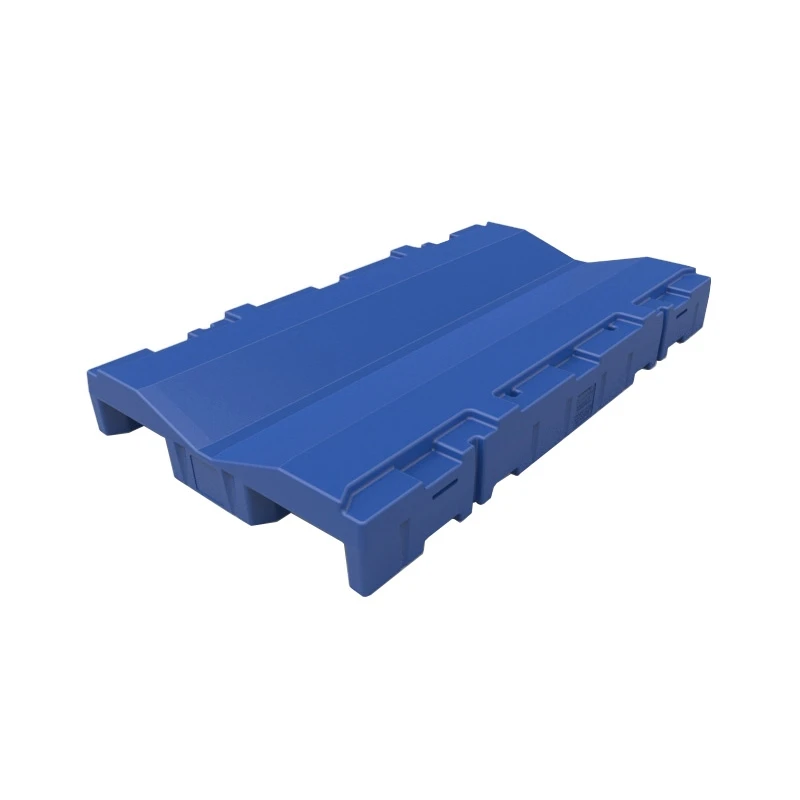
Single-Cradle Roll Pallets
Single-cradle roll pallets have one main supporting area for a single roll. The cradle holds the roll in position and helps reduce movement during handling. This design works well for large paper rolls, plastic film rolls, and other materials that need individual support. It is also useful when each roll has a different size or requires separate handling. When choosing this type, check the cradle width, roll diameter, and load capacity to make sure the pallet matches your actual requirements.
Multi-Cradle Roll Pallets
Multi-cradle roll pallets have two or more supporting positions, with each cradle holding one roll. This design allows several rolls to be stored and transported on the same pallet. For example, a printing facility may need to move several paper rolls between storage and production areas. The number of cradles affects the available space for each roll, so you should check the roll diameter and width before selecting a multi-cradle design.
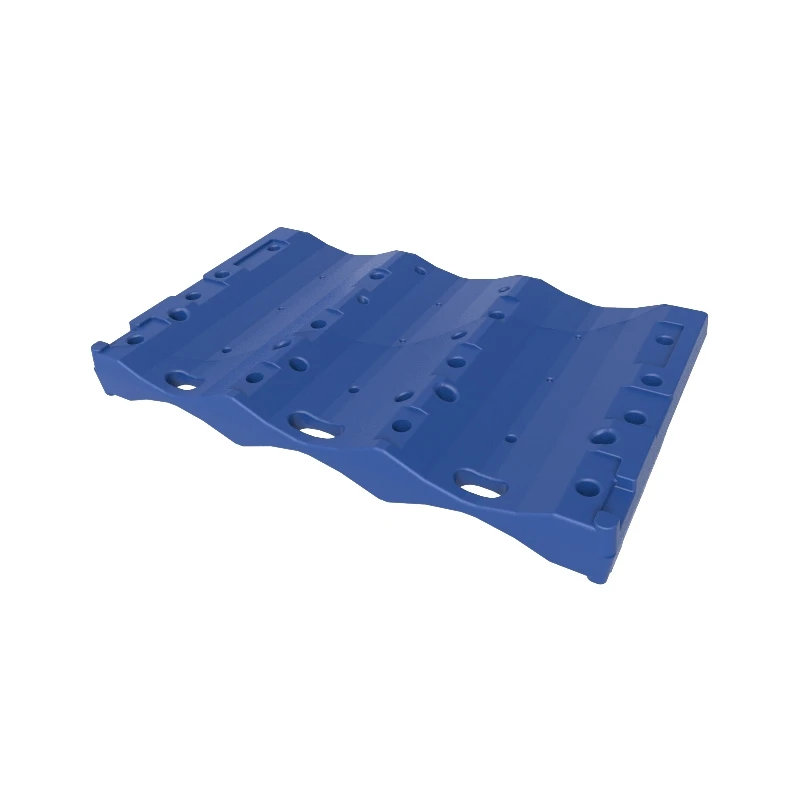
Steel-Reinforced Roll Pallets
Steel-reinforced roll pallets use steel reinforcement within the pallet structure to provide extra support. They are suitable for applications where heavy rolls place greater demands on the pallet. This type may be considered for large paper rolls and other heavy industrial materials. However, steel reinforcement alone does not determine the load capacity. The pallet design, plastic material, reinforcement position, and test results all affect its performance. If you plan to handle heavy rolls, ask the supplier for load test information based on your actual working conditions.

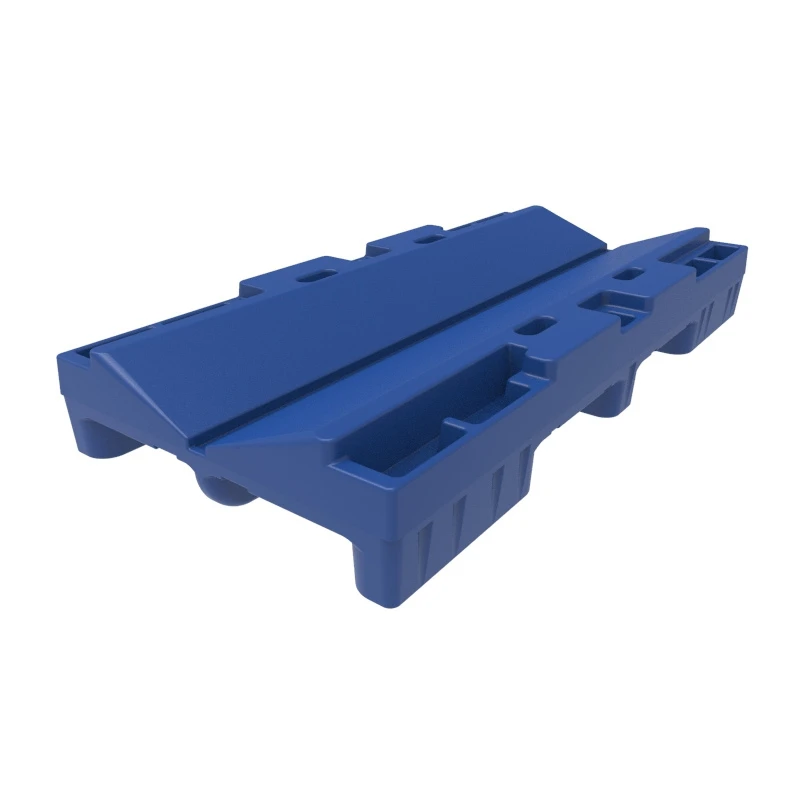
Nestable Plastic Roll Pallets
Nestable plastic roll pallets are designed to fit into each other when empty. This reduces the space needed for storage and return transportation. For businesses that move empty pallets between warehouses or production sites, nestable designs can make daily operations easier and reduce the space occupied by unused pallets.
How Do Different Roll Pallet Designs Compare?
Each roll pallet design has its own strengths. Some focus on carrying several rolls, while others provide extra support for heavy loads or save space when empty. When comparing products, pay attention to roll capacity, diameter compatibility, structural strength, and storage requirements.
Roll Capacity
Single-cradle pallets are designed for one roll, while multi-cradle pallets can hold several rolls. If you handle multiple rolls in one shipment, a multi-cradle design may reduce the number of pallets needed. However, carrying more rolls on one pallet also requires enough space between cradles. Each roll must sit securely in its own supporting area, and the total load must stay within the pallet's rated capacity.
Roll Diameter Compatibility
Roll diameter is one of the first measurements to check. A roll that is too large may not fit properly in the cradle, while a smaller roll may move if the supporting structure does not match its shape. Some roll pallet designs can accommodate different roll diameters, but the actual range depends on the cradle dimensions. Always provide the minimum and maximum roll diameters when asking for a product recommendation, especially if your production line handles several roll sizes.
Structure and Load Capacity
The pallet structure affects how the load is distributed. Cradle shape, base design, plastic material, and steel reinforcement all play a part. You should also check static and dynamic load capacity. Static load refers to the weight a pallet can support while stationary, while dynamic load refers to the load during movement, such as forklift handling. For industrial use, both figures matter because a pallet may support a certain weight in storage but have a different capacity during transportation.
Storage and Transportation Efficiency
Different designs offer different storage benefits. Nestable pallets help save space when empty, while multi-cradle pallets can carry several rolls in one handling unit. Steel-reinforced structures may provide extra support for demanding loads. Your warehouse layout also matters. Check forklift entry, pallet dimensions, storage height, and the available space between loads before making a purchase. These details can affect how well the pallet fits into your existing handling process.
Which Type of Roll Pallet Is Best for Different Industries?
Different industries handle different roll materials. Paper rolls can be heavy, plastic film rolls may have different diameters, and textile rolls often need stable support during storage and transportation. The pallet should match the material and the way it moves through your facility.
Paper and Printing
Paper rolls are widely used in printing, paper processing, and packaging production. Large rolls can be heavy, so stable support is needed during storage and forklift handling. Single-cradle roll pallets can be suitable for large individual rolls, while multi-cradle designs are useful when several smaller rolls need to move together. When selecting a pallet for paper rolls, check the roll diameter, width, and weight. The cradle design should support the roll evenly and reduce unwanted movement during transportation.
Plastic Film and Packaging
Plastic film rolls are used in flexible packaging, food packaging, and industrial wrapping. Their sizes can vary based on film thickness, roll length, and production requirements. A suitable roll pallet helps keep the rolls in position during warehouse movement. Multi-cradle designs can also be useful for moving several rolls between production and storage areas.
Textile and Nonwoven
Textile and nonwoven rolls are common in fabric production, garment manufacturing, and industrial material processing. These rolls may have different widths and diameters, so the supporting structure needs to match their dimensions. A suitable cradle design helps keep the rolls stable during handling and storage. For this industry, check the roll width, outside diameter, and total weight.
How to Choose the Right Roll Pallet for Your Business?
Choosing a roll pallet starts with your actual roll specifications. A pallet that works well for one production line may not fit another. Before requesting a quotation, prepare the roll dimensions, weight, required cradle quantity, and warehouse handling conditions. These details help the supplier recommend a suitable model.
Roll Diameter
Measure the outside diameter of the roll before selecting a pallet. This helps determine whether the cradle can hold it securely. If you handle several roll diameters, provide the minimum and maximum sizes so the supplier can check whether one pallet design can support your full product range. For special roll sizes, a custom cradle design may be worth considering.
Roll Width
Roll width affects the usable space on the pallet. For multi-cradle designs, you should also consider the distance between supporting positions and the total pallet width.
Roll Weight
The weight of each roll affects the required pallet strength. You should also consider the total load when several rolls are placed on one pallet. Ask for static and dynamic load data based on your handling conditions. If the pallet will be used for frequent forklift movement, dynamic load capacity deserves close attention. Heavy rolls may also require a reinforced structure.
Cradle Quantity
Decide whether you need to carry one roll or several rolls at a time. Single-cradle designs are suitable for individual roll handling, while multi-cradle designs can support several rolls in one unit. The right number of cradles depends on roll dimensions, handling needs, and available storage space. You should also consider whether the rolls need to be separated during transportation.
Forklift Handling and Storage Requirements
Check how the pallet will be moved and stored. Forklift entry, warehouse rack dimensions, stacking height, and empty pallet storage all affect the final choice. You should also confirm whether the pallet needs to be nestable or stackable.
Why Choose Plastic Roll Pallets for Industrial Roll Handling?
Plastic roll pallets are suitable for repeated use in industrial storage and transportation. Compared with wooden pallets, plastic designs do not absorb moisture in the same way and are easier to clean. All-plastic pallets are also exempt from ISPM 15 wood packaging treatment requirements, which can simplify export shipping.
Their design can be adjusted to different roll sizes and handling needs. Depending on the product model, you can consider different cradle arrangements, pallet dimensions, and steel reinforcement. For example, Enlightening Pallet Industry Co., Ltd. has manufacturing experience in plastic pallets and other industrial plastic products. Its facilities include injection molding, in-house mold design, and production support. You can learn more about its company background, manufacturing capabilities, and quality control processes.
If you are sourcing roll pallets for paper, film, or textile rolls, you can view the plastic roll pallet product range. Different models are available for different roll dimensions and handling requirements. Custom sizes, colors, and logo printing can also be discussed for specific projects. Before placing an order, prepare your roll diameter, roll width, and load requirements.
Choosing the right roll pallet depends on your roll size, weight, and handling needs. If you are looking for a suitable solution for paper rolls, plastic film rolls, or textile rolls, Enlightening Pallet Industry Co., Ltd. can help you find the right model.
FAQ
Q: What Is the Difference Between a Roll Pallet and a Roll Cage?
A: A roll pallet is designed to support cylindrical materials such as paper rolls and plastic film rolls. A roll cage usually has a metal frame with wheels or mesh sides and is used to move general goods.
Q: Can Roll Pallets Hold Different Roll Diameters?
A: Yes, depending on the cradle design and dimensions. You should provide the minimum and maximum roll diameters so the supplier can check compatibility.
Q: Are Plastic Roll Pallets Stackable?
A: Some plastic roll pallets support stacking, while others are designed for nesting when empty. The storage method depends on the pallet structure and model.
Q: Do Roll Pallets Need Steel Reinforcement?
A: Steel reinforcement may be suitable for heavy loads or applications that require extra structural support. The final choice should be based on roll weight, pallet design, and load test results.
Q: Can Roll Pallets Be Customized?
A: Yes. Customization may include pallet dimensions, cradle arrangements, colors, and logo printing. You should provide your roll diameter, width, and weight to help confirm the design.
