


Stackable Plastic Pallet Applications in Warehousing And Logistics
From my experience working with logistics companies, I have seen more businesses replace wooden pallets with plastic pallets because repeated handling creates higher requirements for durability, hygiene, and consistency.
Plastic pallets are becoming a preferred solution for logistics operations because they provide stable dimensions, reusable performance, easy cleaning, and reliable handling efficiency in warehouses, transportation, and supply chains.
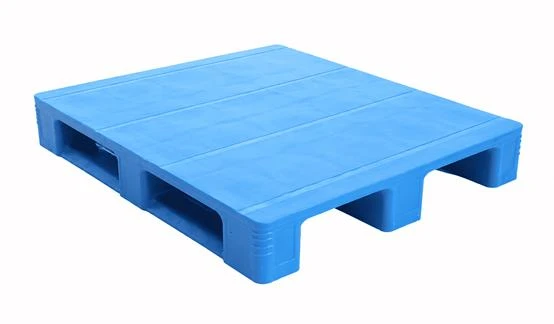
A pallet is not only a platform for moving goods. It is part of the whole logistics system. When companies handle products thousands of times every year, pallet stability directly affects warehouse efficiency and operating costs.
Why Are Logistics Companies Switching From Wooden Pallets to Plastic Pallets?
Wooden pallets are still widely used because they have a lower initial cost and are easy to repair. However, repeated use in modern logistics environments creates several challenges.
A wooden pallet may perform well when it is new, but moisture, forklift impacts, and temperature changes can gradually affect its condition. In warehouses, cold storage facilities, and distribution centers, these problems may increase replacement frequency and create handling risks.
Common issues include moisture absorption, mold growth, broken boards, exposed nails, and size changes after long-term use. These problems can affect product safety, warehouse efficiency, and transportation reliability.
Plastic pallets provide a more stable option for companies that need repeated pallet circulation. Because they are produced through controlled manufacturing processes, plastic pallets maintain more consistent dimensions during long-term use.
Reusable plastic pallets are designed for high-frequency logistics applications. They can be washed, reused, and integrated into closed-loop supply chains. For companies moving goods between factories, warehouses, and distribution centers, this consistency helps reduce pallet replacement and improve daily operations.
Common Applications of Plastic Pallets in Logistics
Plastic pallets are used across different logistics environments because they can be designed for various handling requirements. The most suitable pallet depends on storage methods, transportation frequency, and working conditions.
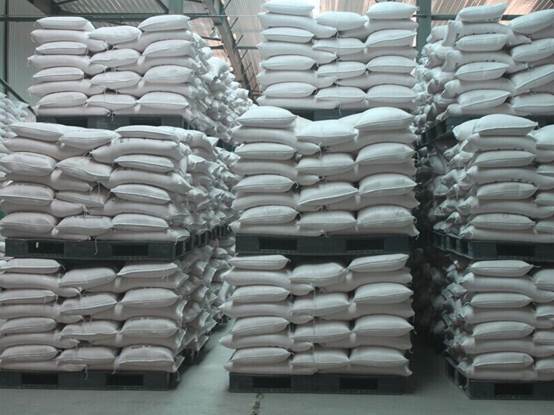
How Are Plastic Pallets Used in Warehouse Storage and Distribution?
Warehouse storage is one of the most common applications for plastic pallets. Stackable plastic pallets are widely used for floor storage because they provide stable stacking performance and efficient space utilization.
In distribution centers, plastic pallets support frequent movement between receiving areas, storage locations, and shipping zones. Their consistent dimensions make warehouse organization easier and improve compatibility with standard handling equipment.
When customers choose warehouse plastic pallets, I usually suggest checking the pallet load capacity, stacking method, and forklift compatibility first. A pallet that works well for floor storage may not be suitable for pallet racking.
Rackable plastic pallets require reinforced structures and tested rack load performance. Companies should confirm their racking system before purchasing because beam spacing and pallet design directly affect safety.
How Are Plastic Pallets Used in Manufacturing Material Handling?
Manufacturing companies often use plastic pallets for internal material movement rather than only transportation.
In factories, plastic pallets are commonly used for moving raw materials, production components, and finished products between different areas. For example, automotive and electronics manufacturers may use reusable plastic pallets throughout production, assembly, packaging, and storage processes.
Compared with disposable packaging solutions, reusable plastic pallets help manufacturers create a more organized internal logistics system. The same pallets can move repeatedly between production lines and warehouses, which reduces repeated purchasing costs.
I have worked with manufacturers that choose plastic pallets because they need stable dimensions, clean surfaces, and reliable performance during daily operations.
Why Are Plastic Pallets Used in Cold Chain and Food Logistics?
Cold chain and food industries have strict requirements for pallet hygiene and durability. Plastic pallets are often selected because they resist moisture and are easier to clean.
Wooden pallets can absorb water and may create hygiene concerns in wet environments. Plastic pallets provide smooth surfaces that are easier to wash and maintain.
HDPE plastic pallets are commonly used in cold environments because they maintain good impact resistance at low temperatures. This makes them suitable for food processing, seafood, beverage, and pharmaceutical logistics.
For industries that require frequent cleaning and repeated use, hygienic plastic pallets provide better operational control.
How Do Plastic Pallets Support Automated Warehouse Systems?
Modern automated warehouses require pallets with accurate dimensions and stable structures. Small changes in pallet size or shape can affect conveyor systems and automated storage equipment.
Plastic pallets are commonly used in automated warehouse systems because they provide consistent dimensions, predictable weight, and reliable handling performance.
For ASRS and conveyor applications, companies usually select specially designed plastic pallets that match their equipment requirements. A suitable pallet helps improve warehouse efficiency and reduce operational interruptions.
Plastic Pallets vs Wooden Pallets in Logistics Operations
Plastic pallets and wooden pallets both have advantages. The right choice depends on how often the pallet is used, where it operates, and what requirements the supply chain has.
Durability and Service Life
Plastic pallets are designed for repeated handling and long-term circulation. They are resistant to moisture, insects, and common warehouse conditions. Their stable structure helps companies maintain consistent performance during storage and transportation.
Wooden pallets usually have a lower purchase cost and can be repaired when individual parts are damaged. However, repeated exposure to humidity, impacts, and temperature changes may reduce their service life.
For companies with high pallet turnover, the total service life is often more important than the initial purchase price.
Hygiene and Maintenance
Plastic pallets are widely used in industries that require strict hygiene control. Their smooth surfaces are easier to clean, and they do not have nails or splinters that may damage products.
Food, beverage, and pharmaceutical companies often choose plastic pallets because they support regular washing and repeated use.
Long-Term Cost Consideration
The purchase price is only one part of pallet cost. Companies should also consider replacement frequency, maintenance requirements, and operational downtime.
For one-time shipping, wooden pallets may still be suitable. However, for closed-loop logistics and repeated transportation, reusable plastic pallets can provide better long-term value because they support more usage cycles.
Types of Plastic Pallets Used in Logistics
Different logistics applications require different pallet designs. Based on my experience, most logistics companies choose from four main types of plastic pallets.

Stackable plastic pallets are mainly used for warehouse floor storage. They are designed to support loaded pallets placed on top of each other and are suitable for distribution centers, manufacturing facilities, and general storage.
Rackable plastic pallets are designed for pallet racking systems. They usually include reinforced structures and higher rack load capacity to support long-term storage on warehouse beams.
Nestable plastic pallets are suitable for return logistics because their design allows empty pallets to fit together and save storage space. They are often used when companies need to transport empty pallets efficiently.
Hygienic plastic pallets are commonly used in food, beverage, and pharmaceutical industries. They feature easy-clean surfaces and materials suitable for environments with strict cleanliness requirements.
How to Choose the Right Plastic Pallet for Logistics
Choosing the right plastic pallet requires understanding the actual working environment instead of only comparing prices.
Confirm Load Requirements
Before purchasing plastic pallets, companies should check static load, dynamic load, and rack load requirements.
Static load refers to the weight a pallet can support when it stays in one position. Dynamic load refers to the capacity during transportation and forklift handling. Rack load refers to the weight capacity when the pallet is placed on warehouse racks.
I always recommend customers evaluate their actual application because a pallet suitable for floor stacking may not work safely in a racking system.
Match Storage and Handling Methods
The storage method directly affects pallet selection.
Companies should confirm whether pallets will be used for floor stacking, pallet racking, or automated warehouse systems. They should also check compatibility with forklifts, pallet jacks, and conveyor equipment.
Choosing the correct pallet structure helps improve warehouse efficiency and reduce handling problems.
Consider Working Environment
Different environments require different pallet features.
Cold storage applications usually require plastic pallets with good low-temperature impact resistance. Food and pharmaceutical applications often need hygienic designs that are easy to clean. Chemical industries may require materials with stronger chemical resistance.
Evaluate Reuse Frequency
A pallet used once for export shipping has different requirements from a pallet used hundreds of times in a closed-loop system.
For companies with frequent pallet circulation, selecting a durable reusable plastic pallet can help reduce replacement costs and improve supply chain stability.
Sustainable Benefits of Reusable Plastic Pallets
Sustainability is becoming an important consideration in logistics, but companies also focus on practical business value.
Reusable plastic pallets help companies reduce the need for frequent pallet replacement and support more efficient logistics systems.
Many businesses use plastic pallets in closed-loop supply chains where pallets move between suppliers, factories, warehouses, and customers. This model improves resource utilization and reduces waste from single-use packaging.
At the end of their service life, many plastic pallets made from HDPE or PP materials can be recycled. This allows companies to support more sustainable material management while maintaining operational efficiency.
Why Choose Enlightening Pallet for Plastic Logistics Solutions?
I believe a reliable plastic pallet supplier should provide more than products. Customers need stable manufacturing capability, quality control, and long-term supply support.
Factory Manufacturing Capability
Enlightening Pallet is a plastic pallet manufacturer with more than 20 years of production experience in China. We provide plastic pallet solutions for brands, wholesalers, distributors, and logistics companies worldwide.
Our factory operates more than 60 injection molding and production machines. We use strict quality control processes to maintain stable product performance and reliable delivery.
OEM Customization
Enlightening Pallet provides customized plastic pallet solutions based on different market and application requirements.
Customers can customize pallet colors, logo printing, product structures, and other design features. These options help distributors and brands develop products that match their target markets.
Complete Plastic Pallet Solutions
Enlightening Pallet provides different plastic pallet solutions, including warehouse pallets, export pallets, hygienic pallets, and heavy duty pallets.
We help customers select suitable pallet designs based on load requirements, storage methods, and operating environments.
Global Supply Support
Enlightening Pallet supports international customers with export experience, container loading optimization, and shipping documentation.
We focus on providing stable quality, reliable delivery, and long-term cooperation for global logistics partners.
Conclusion
Plastic pallets help logistics companies improve handling efficiency, reduce replacement costs, and build reliable reusable supply chains.
About Enlightening Pallet
Enlightening Pallet is a plastic pallet manufacturer with more than 20 years of production experience in China. We provide customized plastic pallet solutions for global brands, wholesalers, distributors, and logistics companies.
Our product range includes warehouse pallets, export pallets, hygienic pallets, heavy duty pallets, and customized logistics packaging solutions.
Enlightening Pallet supports OEM customization, including color customization, logo printing, and product structure adjustments.
Our factory follows ISO 9001 quality management standards. We conduct raw material testing, production inspection, and final quality checks to ensure stable product performance.
With more than 60 production machines and experienced quality control teams, Enlightening Pallet provides reliable manufacturing capacity for global customers.
We support customers with stable supply, professional export services, and customized solutions to improve logistics efficiency.
FAQ
Are plastic pallets suitable for international shipping?
Yes. Plastic pallets are widely used for international shipping because they are reusable, moisture resistant, and do not require ISPM 15 treatment.
What industries commonly use plastic pallets?
Plastic pallets are commonly used in food, pharmaceutical, manufacturing, retail, logistics, and chemical industries.
How long can reusable plastic pallets last?
Service life depends on pallet design, load conditions, and usage frequency. Properly selected plastic pallets can support many years of repeated handling.
What is the difference between stackable and rackable plastic pallets?
Stackable pallets are designed for floor storage, while rackable pallets have reinforced structures for warehouse racking systems.
Can plastic pallets be customized?
Yes. Enlightening Pallet provides customization options including colors, logo printing, materials, and structural designs.
