


What Is a Plastic Pallet Collar and Why It’s Gaining Ground in Industrial Supply Chains?
intro
When goods shift during transport or automation jams a pallet mid-cycle, the root cause often lies in outdated wooden collars. Cracks, uneven fit, or hygiene concerns make wood a weak link in today's fast-moving logistics.
Plastic pallet collars offer a stronger, cleaner, and more consistent alternative-especially for export shipments and automated warehouses.
In this guide, we explain how plastic collars work, how they outperform wooden versions, and what to look for when sourcing them.
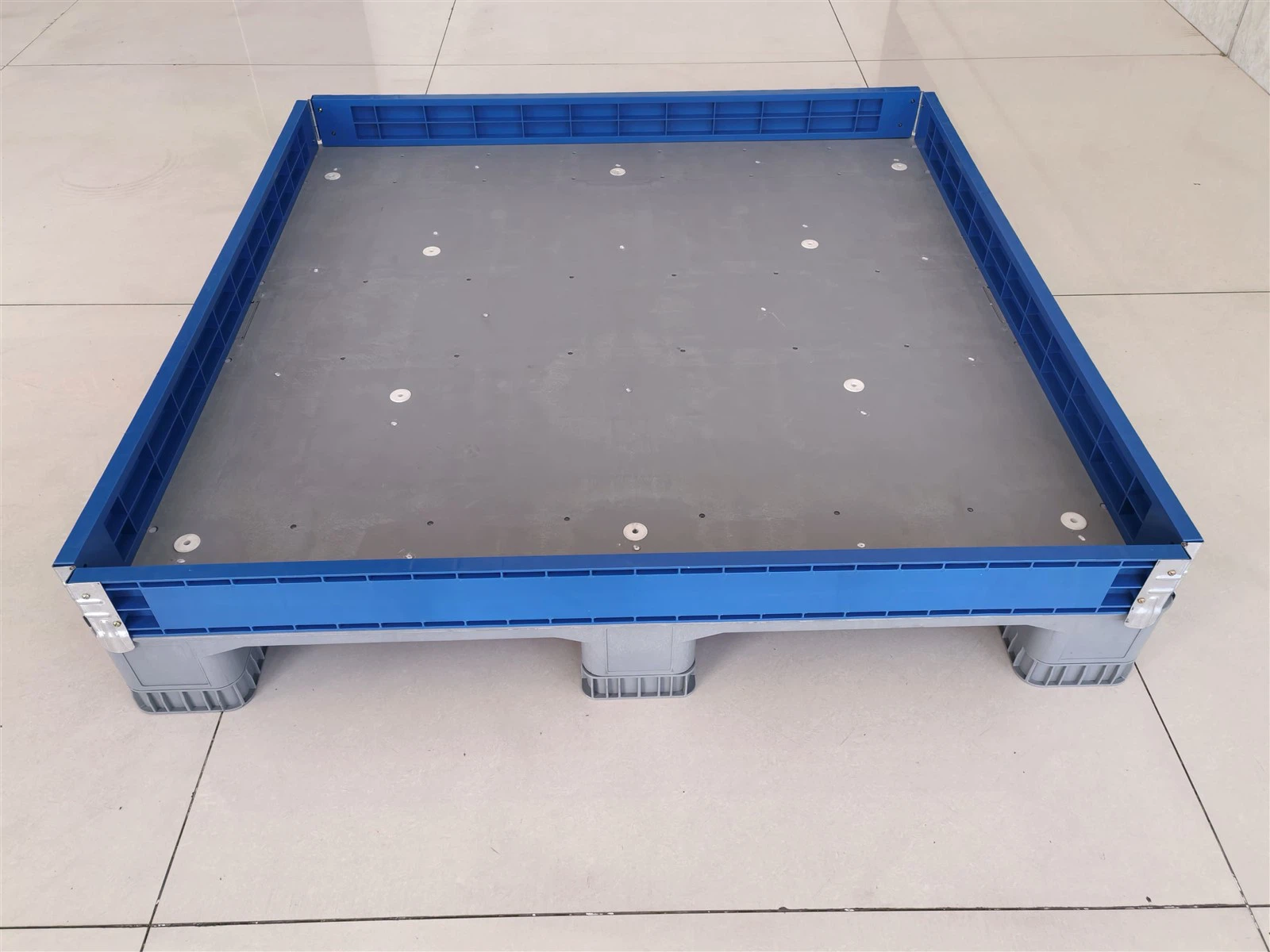
What Is a Plastic Pallet Collar and How Does It Work with Standard Pallets?
A foldable plastic pallet collar turns a flat pallet into a reusable container with adjustable height and better load protection.
A Collapsible Frame That Works with Standard Pallets
This simple four-sided frame folds flat when not in use, saving space during return trips.
Made from high-density polypropylene (HDPP), plastic pallet collars are designed to sit on standard pallets like the 1200×800 mm euro pallet. Once in place, they create a protective wall around the goods.
Each collar folds flat using hinged corners, reducing height by up to eight times (8:1 compression) for storage efficiency.
Tool-Free Setup and Full Compatibility
Collars fit wooden or plastic pallets and require no assembly tools.
They stack securely without fasteners, and more collars can be added to increase height. Each layer typically adds 300 mm. If you're already using plastic pallet collar 1200x800 systems or 1200×1000 mm pallets, these collars will fit with no adjustments.
Part of a Reusable Packaging System
Add lids or bases to create a full container system for logistics or storage.
Plastic collars are often used with drop-on lids, corner locks, or anti-slip bases. These extras improve stability and protect the load during handling, forming a returnable and space-saving unit.
Plastic vs. Wood Pallet Collars: Which Is Better for Export and Long-Term Use?
If you're shipping across borders or working in high-turnover environments, switching from wood to plastic collars might save you more than you expect.
Export Requirements Are Simpler with Plastic
Plastic collars skip common delays linked to wood packaging regulations.
Unlike wood, plastic doesn't require ISPM 15 certification or fumigation for export. This makes plastic vs wood pallet collars a clear comparison-plastic avoids customs rejections and speeds up shipping.
Because plastic is non-porous and splinter-free, it won't trap moisture or pests, which further reduces inspection risks and helps maintain package integrity during transit.
Plastic Collars Offer Longer Life with Less Risk
A good collar should last more than one season-plastic ones often last years.
Most heavy-duty plastic pallet collars last 5 to 8 years. Their structure holds up under repeated folding, stacking, and loading, even in cold or humid storage.
Wooden collars, on the other hand, can crack or warp from moisture, impact, or frequent handling. When one corner fails, the whole system becomes unstable. Plastic collars maintain form and fit far longer, making them a better long-term investment.
Hygiene and Compliance Matter in Regulated Industries
In food, pharma, or cleanroom applications, wood often isn't good enough.
Plastic collars are easy to wash and sanitize. Their smooth surfaces don't hold dust, liquids, or bacteria. For industries such as food processing or pharmaceuticals, this is crucial.
Some manufacturers also provide documents like EU 10/2011 or EN 1186 food contact declarations, proving suitability for hygienic use-something wooden collars rarely offer.
How Many Times Can You Reuse Plastic Pallet Collars Before Replacement?
Most buyers want more than just a durable product-they want to know how long it lasts in real conditions.
A Realistic Use Cycle Under Warehouse Conditions
In standard warehouse or shipping operations, plastic collars hold up for years, not just months.
High-quality plastic collars can be reused 200 to 500 times, depending on how they're handled. This range reflects daily use in mixed environments, from forklifts and conveyors to cold rooms or containers. Even used plastic pallet collars often remain structurally sound after repeated stacking.
Built to Resist Fatigue and Deformation
Long-term reuse depends on design-not just material.
Key features like reinforced hinges, high-impact HDPP (high-density polypropylene), and tight corner locks help collars stay stable over time. These parts reduce cracking, warping, or loosening, even under frequent folding and loading cycles.
Why Plastic Outlasts Wood
Wood wears down quietly. Plastic gives you visible, usable life longer.
Wood collars degrade with humidity, pests, or mechanical stress. A cracked hinge or swollen panel can compromise the entire unit. In contrast, plastic holds shape and strength far longer, making it a more reliable returnable transport item (RTI) for high-turnover systems.
In Which Industries Are Plastic Pallet Collars Most Commonly Used?
Not every packaging system fits all industries-but plastic collars adapt better than most.
Cleanroom and Food-Grade Supply Chains
When hygiene is critical, the right packaging helps you stay compliant and efficient.
Hygienic pallet collars for the food industry are preferred by food processors, pharmaceutical manufacturers, and cleanroom logistics. These collars are made from food-contact grade polypropylene and have smooth, washable surfaces that resist dust and bacterial buildup. Wood alternatives often fail to meet hygiene protocols, especially in environments where packaging must be washed or sanitized after each use.
E-Commerce, Retail, and Cold-Chain Logistics
Flexible height and stackability make collars ideal for mixed cargo and temperature-controlled shipping.
In retail and collapsible pallet sleeves for logistics, variable-height collars let you handle mixed-size boxes and irregular items more efficiently. They reduce void space, minimize packaging waste, and allow safe stacking-even with unstable loads. For cold storage or long-haul transport, plastic collars maintain shape under low temperatures and won't absorb moisture like wood.
Automotive, Chemical, and Automated Systems
When product weight or handling speed matters, rigid design and size consistency make a difference.
Plastic collars are widely used in automotive and industrial supply chains to secure heavy or awkward parts. Their rigid form resists deformation during transport. Because sizing is consistent, they integrate smoothly into conveyor-fed or robotic warehouse systems-something many wooden or recycled alternatives can't match.
How to Stack and Operate Plastic Pallet Collars Safely?
Stability and flexibility go hand in hand-but only if you follow the right setup practices.
Engineered for Stable Vertical Stacking
Plastic pallet collars are not just stackable-they're designed to stay aligned even under pressure.
To answer the common question-how to stack plastic pallet collars safely?-you should first understand the structure. Most collars feature alignment grooves and interlocking tabs that guide each layer into place. When used with lids or corner locks, they can be safely stacked up to four or five layers, depending on load weight and packaging type.
Follow Practical Handling Rules for Safe Use
A well-built system still depends on proper handling during loading and transport.
Operators should keep loads centered and evenly distributed across the base. Forklift entry must follow the intended direction-usually perpendicular to the runners-to avoid shifting or tipping. Always check stacking height limits defined by the manufacturer. Overstacking increases the risk of collapse during movement or storage.
Custom Heights Adapt to Varying Cargo Sizes
One of the biggest advantages of plastic collars is their modular build.
You can create custom height plastic pallet collars by stacking multiple layers-typically 300 mm each. This allows you to match the collar height with the exact volume of goods, minimizing empty headspace and reducing the need for extra void fill or shrink wrap. The result is better load stability, optimized space, and lower packaging costs.
Where to Buy Plastic Pallet Collars for Automated Warehouses or Export Supply Chains?
If you use automated storage systems or export goods, pallet collars must meet strict standards. Choosing the right supplier helps you avoid delays and system failures.
Automated warehouses-often called AS/RS-need pallet collars with a stable size and smooth edges. Even small errors can cause machines to stop. Our Euro plastic pallet collars are made with ±1 mm accuracy. They work well with conveyors, lifting robots, and vertical racks. Each unit stacks safely and fits securely.
For better control of your goods, we offer customization. You can add your brand color, company logo, or smart labels like RFID or QR codes. These help track your products in real time.
If your pallets are not a standard size, we can adjust the collar dimensions. Custom sizes still keep the same stacking strength and locking design, so they are safe for export and mixed-size goods.
We also offer short lead times, low minimum order quantities, and optional lids or slip sheets. With production hubs in Asia, we support fast shipping to Europe, Southeast Asia, and the Middle East.
Get in touch for samples or size recommendations tailored to your pallet system.

