


How to Clean Plastic Pallets the Right Way?
Why Cleaning Plastic Pallets Matters for Industrial Safety and Compliance
In fast-paced industries like food processing and global export, pallet hygiene directly impacts your compliance status and operational safety.
Plastic pallets may look clean on the surface, but without proper washing, invisible contaminants often remain-especially after handling raw food, chemicals, or pharmaceuticals. For instance, if a pallet carries raw poultry on Monday and packaged bakery trays on Tuesday, without cleaning in between, you're risking bacterial transfer. In export shipments, customs authorities may reject entire containers if dirt, organic matter, or residue is detected on pallets. These aren't hypothetical risks-they result in real consequences like product recalls, shipment delays, or costly fines.
This is especially critical with industrial plastic pallets that circulate daily across loading docks, automated sorters, and multi-shift production lines. With constant turnover, even the most well-designed pallet can accumulate grime or oil build-up underneath, making regular cleaning non-negotiable.
That's where durable plastic pallets make a difference. Built for heavy-duty use, they tolerate repeated high-pressure washes, steam cleaning, and harsh disinfection routines without warping or cracking. Their non-porous surfaces resist microbial absorption, and their structural integrity ensures they don't degrade after cleaning cycles. For operations under strict hygiene protocols-like cold storage or pharmaceutical filling-these pallets help maintain not just safety, but also efficiency and audit readiness.
Simply put, a clean pallet protects your cargo, your certification status, and your brand. The only question is how to clean it properly-which we'll cover next.

What Is the Difference Between Cleaning and Sanitizing Plastic Pallets?
Not every operation needs full sterilization-but knowing when to clean and when to sanitize can save your team time, and help you choose the right pallets for your process.
Cleaning removes visible dirt, dust, and debris from the pallet surface. It's your first step to prevent contamination, especially after the pallet returns from warehouses, distribution centers, or outdoor storage. Sanitizing, however, goes a step further. It targets harmful microorganisms-like bacteria or viruses-using heat, chemicals, or steam. While sanitizing is not required for every use, it's essential in facilities that process raw food, pharmaceuticals, or sterile packaging.
For high-risk environments, regulatory standards like HACCP or FDA 21 CFR demand pallets be sanitized between uses. But not every pallet is built for that. If you're using lightweight models or recycled blends, repeated exposure to sanitizers and hot water may damage the surface or cause deformation. Over time, this weakens the structure and alters the plastic pallet weight, which affects automated handling and stacking safety.
This is where working with a certified plastic pallet manufacturer makes a real difference. Pallets built for hygiene-critical industries use virgin HDPE or PP, feature sealed corners, and support repeated steam or chemical cleaning without cracking or absorbing residues. When selecting pallets for sensitive workflows, always verify the materials and ask if the design is rated for high-frequency sanitation.
The Correct Method to Clean Plastic Pallets
The way you clean your pallets depends not just on hygiene requirements, but also on what your pallets are made of, how often they're used, and whether they fit your cleaning setup.
There are three common methods for cleaning plastic pallets: manual washing, steam cleaning, and automated high-pressure washing. Each one has pros and limitations. Manual cleaning is effective for small volumes or when dealing with stubborn stains. Steam cleaning is useful for sanitizing food-contact surfaces. High-pressure washing works best for bulk operations, especially when integrated into a returnable pallet system.
But not all pallets respond to cleaning the same way. The type of pallet plastic-typically HDPE or PP-affects how it reacts to hot water, chemicals, or scrubbing. HDPE has higher resistance to impact and heat, while PP offers lighter weight but may warp if overexposed to high temperatures. Knowing the material helps prevent damage during cleaning and extends usable life.
You should also check whether your plastic pallet size and plastic pallet dimensions match your cleaning equipment. Some dishwashing tunnels or automated spray systems have clearance limitations, especially with oversized pallets or non-standard bases. If your cleaning line is automated, ensure your pallet design allows water flow and drying without pooling in corners.
For facilities using used plastic pallets, cleaning becomes more sensitive. Surface aging, micro-cracks, and chemical exposure from previous usage may increase the risk of contamination. We recommend assigning older pallets to low-risk tasks or dry goods only. Always inspect structural integrity before reuse, especially if the pallets have been stored outdoors.

Whether you're working with a few dozen pallets or thousands, matching the cleaning method to pallet structure and setup makes the entire process more efficient. In the next section, we'll look at how different pallet designs can impact cleaning results.
Different Pallet Structures, Different Cleaning Considerations
If cleaning isn't working, the issue may not be your process-it's likely the pallet design. Different structures trap dirt in different ways.
Stackable plastic pallets are strong, but their legs and solid deck often block water flow. Dirt builds up in the corners under the top deck. If you only rinse them, the waste stays inside. To clean these well, you must flip them over and pressure wash from both sides. For food or chemical use, these hidden spots are real risks.
Nestable plastic pallets save space. But those hollow cone-shaped feet? They collect dirty water. Even after cleaning, water sits at the bottom and doesn't drain unless you hold the pallet upside down. This can cause mold in humid storage.
Rackable plastic pallets have steel bars or internal cavities for extra support. But those areas hold moisture longer. If you don't let them dry completely, heat and damp air stay inside. This creates a hidden space for bacteria to grow-especially in warm warehouses.
Export pallets seem simple, but here's the catch: if any water is left inside, it may cause customs delays. Many ports inspect for mold or moisture. Always dry these pallets fully before shipping.
Cleaning isn't just a routine-it's about matching the method to the pallet structure. Up next, we'll show you how often each type should be cleaned based on usage.
How Often Should Plastic Pallets Be Cleaned?
The right cleaning frequency depends not just on your industry, but also on how often each pallet is used, and how it's built.
For food, pharma, and chemical use, plastic pallets must be cleaned after every trip. In these sectors, even minor residue can cause contamination or compliance issues. High-rotation systems often rely on heavy-duty plastic pallets, which are built to handle frequent high-pressure washing without warping.
In retail, e-commerce, or automotive parts storage, pallets may stay in use longer between loads. A weekly or bi-weekly cleaning may be enough if loads are dry and indoor storage is consistent. However, skipping regular cleaning increases the risk of dust buildup or moisture-related damage-especially at the bottom deck.
Low-use pallets, like those used for seasonal exports, often sit untouched for months. Still, these should be cleaned before and after each use to avoid mold or customs inspection delays.
Keep in mind that cleaning too rarely may lead to hidden costs: damaged goods, regulatory penalties, or even customer rejections. Using a rugged pallet type reduces these risks, as it can withstand frequent washing and longer service cycles.
In the next chart, we'll show how cleaning frequency varies by industry-and how it affects total cost over time.
Choosing Easy‑to‑Clean Plastic Pallets: What Buyers Should Look For
A pallet's design plays a direct role in how efficiently it can be cleaned-and how well it fits your hygiene protocols.
When evaluating options, avoid pallets with exposed metal fasteners or complex joints. One-piece injection-molded designs are not only more durable, but also leave no hidden corners where dirt or liquid can settle. Removable grates can speed up deep cleaning without disassembling the whole unit.
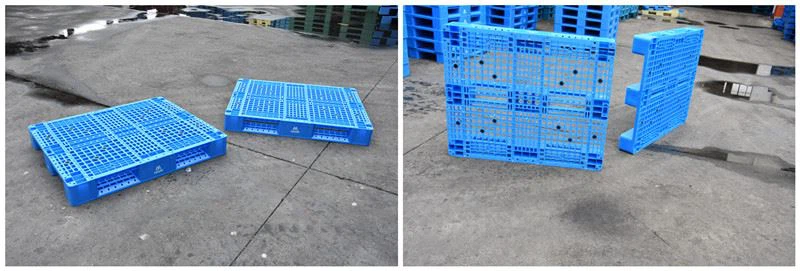
Color systems also help simplify plant operations. Many factories use black plastic pallets for general warehousing and blue plastic pallets for clean zones like food prep or pharmaceutical storage. This visual distinction supports hygiene audits and cross-contamination control.
If your facility uses automated washers, choosing dishwasher-compatible materials like high-grade HDPE is essential. Some buyers now opt for custom plastic pallets that align with their in-house sanitation flow, from surface smoothness to water-drainage angles.
In short, design matters. Clean lines, smooth textures, and color-coded use can all reduce downtime and meet stricter hygiene demands-without increasing labor.
How Cleaning Methods Affect the Lifespan of Plastic Pallets
Not all plastic pallets react the same way to high-pressure washing or thermal cleaning-understanding these differences helps avoid early damage.
Over time, repeated exposure to high-pressure jets or hot water can weaken structural points, especially in pallets made with lower-grade materials. Recycled plastic pallets, while cost-effective, often have lower heat resistance and may warp or crack more easily under extreme washing conditions.
Pallet size also plays a role. Large plastic pallets with deeper recesses or closed decks may trap water if not properly drained, especially when stored immediately after washdown. This trapped moisture can lead to internal stress, causing bending or surface distortion over time.
To prevent these issues, buyers should confirm whether their pallets are compatible with the cleaning process in place. For example, if steam cleaning is used, it's worth upgrading to virgin HDPE or choosing models designed with sloped decks and drainage outlets. It's also important to let cleaned pallets dry fully before restacking.
A mismatch between pallet design and cleaning method doesn't just reduce lifespan-it disrupts operations. Better to clarify specs upfront than replace pallets more often than planned.

When to Repair, Retire, or Recycle Used Plastic Pallets
Damaged pallets don't always mean waste. Knowing when to fix, reuse, or retire them helps cut costs and reduce loss.
Start by checking the damage level. Cracks at the corners, broken edges, or missing feet are common wear signs. If the pallet still holds its shape and basic function, minor damage can often be repaired with heat tools or bolt-on kits. These DIY repairs are quick and effective for short-term reuse, especially during peak seasons.
Small plastic pallets, often used for display or internal transfers, may not justify complex repairs due to their lower load ratings. But instead of disposal, consider moving them to lighter-duty roles or redistributing them within departments. This maximizes asset value before recycling.
For severely warped or broken pallets, recycling is the best route. Many manufacturers accept return-to-recycle programs. Alternatively, platforms or local business forums sometimes offer plastic pallets for free, especially from warehouses closing or upgrading stock. These can be useful for non-load applications or as temporary floor supports.
Set clear internal rules: repair if cost is low and structure remains safe; retire if damage spreads or affects safety; recycle when beyond repair. That way, you reduce both replacement frequency and unnecessary waste.
Where to Buy High-Hygiene, Easy-to-Clean Plastic Pallets for Your Facility?
Cleanable pallets aren't just for food factories. From pharmaceuticals to export goods, the right supplier ensures both hygiene and reliability.
If you're searching for plastic pallets for sale, your priority is likely clear: the pallets must meet strict cleanliness standards and hold up in demanding environments. In regulated sectors, surface smoothness and resistance to water, chemicals, and bacteria aren't just nice-to-haves-they're mandatory.
That's where specialized plastic pallets suppliers come in. If you're looking to buy plastic pallets that are easy to sanitize and compatible with HACCP or GMP practices, direct factory purchase gives you more control. You get to choose the pallet material, weight, size, and even corner design-helpful if you're planning to match existing cleaning systems or conveyor lines.
Worried about finding a plastic pallet near me? With global delivery zones covering North America, Europe, Southeast Asia, and the Middle East, our export-ready supply chain ensures your orders ship fast-whether you need one container or full weekly loads. Many buyers search for plastic pallets near me, but global service now makes distance irrelevant when the supplier is efficient.
For businesses handling overseas shipments, we also offer plastic shipping pallets that meet ISPM 15 alternatives and other export hygiene regulations. These models combine high-pressure wash resistance, UV tolerance, and solid deck design-perfect for container loading and sealed cargo zones.
Not sure what model fits your workflow? Reach out to our team. We'll help match you with the right product, send specs, and quote bulk pricing within 24 hours.
A Practical, Industry‑Oriented Approach to Cleaning Plastic Pallets
Choosing the right pallet saves you more cleaning effort than any detergent ever will. Let's match structure with real-life use.
Start by reviewing your cleaning method. If you're using high-pressure washers or steam, your plastic pallet must have a sealed surface, no hollow sections, and minimal texture to avoid trapping residue. Open-deck pallets may dry faster, but can retain debris if not properly rinsed.
Next, match the structure to your workflow. Small plastic pallets are often used in indoor closed-loop systems where manual cleaning is easy and quick. For larger cargo zones or cross-border logistics, sealed-deck 40 x 48 plastic pallets work better with automated washing lines and reduce downtime. Avoid choosing designs with deep grooves or metal reinforcements if frequent sanitation is needed-they complicate the process and may damage equipment.
When you buy plastic pallet products, always consult with plastic pallets manufacturers who understand your industry. As a plastic pallets manufacturer, we design models specifically for food, pharma, and export use-optimized for fast drainage, low bacterial adhesion, and full water resistance.
Need help choosing the right model? We offer product matching, test samples, and layout advice-tailored for your cleaning setup. Contact us now!

