Color Coding of 4-Wheel Bins and the Advantages of HDPE Material
introduction
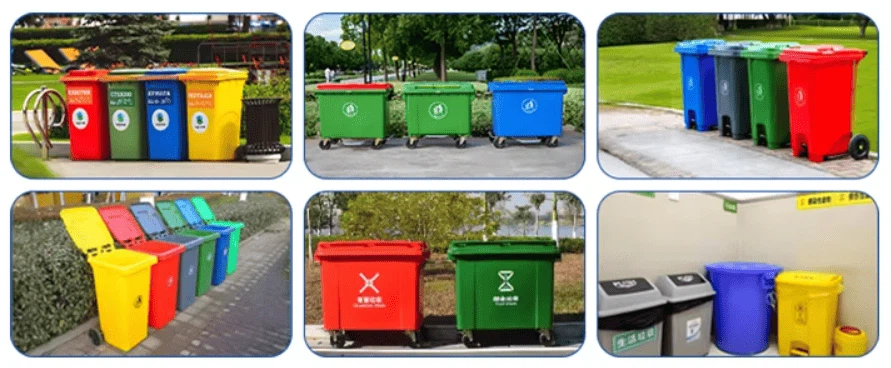
Four-wheel bins are a common sight in cities and industries, playing a vital role in waste management and recycling efforts. These bins often come in four standard colors-green, blue, yellow, and red-each serving a distinct purpose in sorting different types of waste.
Beyond color coding, the material used in these bins is equally important. Most four-wheel bins are made from high-density polyethylene (HDPE), which offers durability and resistance to harsh outdoor conditions.
Color Coding Explained
The color of a four-wheel bin is not just for appearance; it helps users quickly identify the type of waste to dispose of, supporting efficient recycling and disposal.
Green bins are typically used for garden waste and organic material. This includes grass clippings, leaves, and food scraps that can be composted.
Blue bins are reserved for recyclables such as paper, cardboard, plastics, and metals. The blue color signals materials that can be processed and reused.
Yellow bins often serve as containers for mixed recyclables or plastics, depending on local regulations. Their bright color ensures visibility and proper waste separation.
Red bins are designated for medical or hazardous waste. These bins require special handling to prevent contamination and ensure safety.
Using this color system improves waste segregation, reduces contamination, and streamlines collection processes.

Why HDPE is the Preferred Material
Most four-wheel bins are made from high-density polyethylene (HDPE). This plastic is chosen because it combines toughness with weather resistance.
Bins need to endure daily handling, exposure to sunlight, rain, and temperature changes without cracking or fading. HDPE fits these requirements well, keeping bins functional and visually clear over time.
It also resists many chemicals commonly found in waste, helping maintain hygiene and durability.
Choosing the Right Bin
When selecting four-wheel bins, color coding is crucial to match the intended waste type. It ensures compliance with local waste regulations and promotes environmental responsibility.
Meanwhile, opting for bins made of durable materials like HDPE reduces replacement frequency and lowers long-term costs.
Conclusion
Color coding four-wheel bins-green, blue, yellow, and red-forms the backbone of effective waste sorting systems worldwide. It simplifies waste disposal, supports recycling efforts, and protects public health.
Though the bin material matters, the clear visual distinction provided by colors is what truly drives better waste management practices.