


What materials are used to make the 1210 Nestable Pallet?
What materials are used to make the 1210 Nestable Pallet?
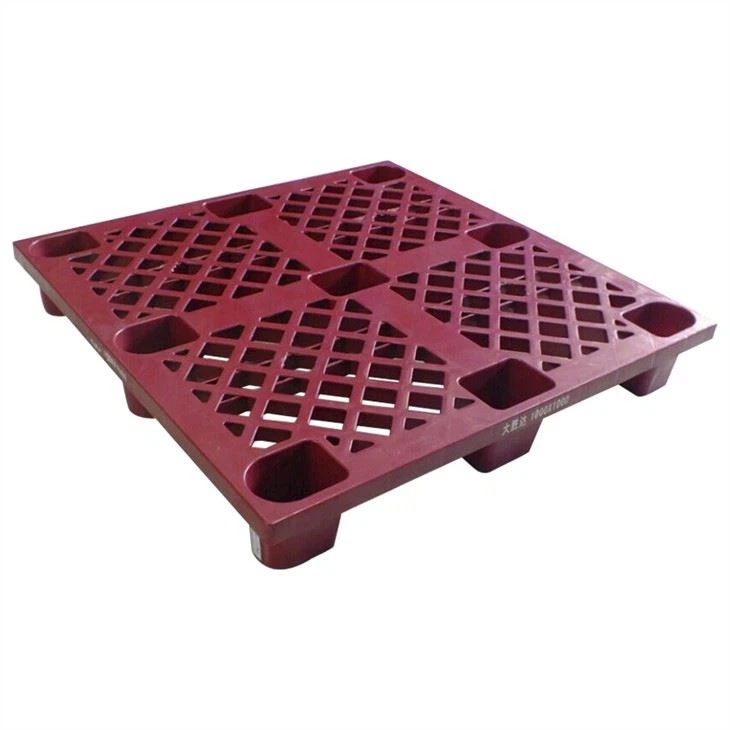
As a dedicated supplier of 1210 Nestable Pallets, I am often asked about the materials that go into making these essential logistics tools. The choice of materials is crucial as it directly impacts the pallet's performance, durability, and suitability for various applications. In this blog post, I will delve into the different materials commonly used to manufacture 1210 Nestable Pallets and explore their unique characteristics.
High - Density Polyethylene (HDPE)
One of the most popular materials for 1210 Nestable Pallets is High - Density Polyethylene (HDPE). HDPE is a thermoplastic polymer known for its excellent strength - to - density ratio. It is highly resistant to moisture, chemicals, and impact, making it ideal for use in a wide range of environments.
The strength of HDPE allows the 1210 Nestable Pallets to withstand heavy loads without deformation. This is particularly important in industrial settings where pallets are used to transport and store large quantities of goods. For example, in a warehouse that deals with heavy machinery parts, HDPE pallets can ensure that the products are safely supported during handling and storage.
HDPE is also a hygienic material, which is a significant advantage in industries such as food and pharmaceuticals. It can be easily cleaned and sanitized, reducing the risk of contamination. Moreover, HDPE pallets are resistant to pests and fungi, further enhancing their suitability for these sensitive industries.
Another benefit of HDPE is its recyclability. As environmental concerns become more prominent, many companies are looking for sustainable packaging solutions. HDPE 1210 Nestable Pallets can be recycled at the end of their lifespan, reducing waste and contributing to a more circular economy. You can learn more about similar HDPE - based products like the 1200x800 Light weight recycled HDPE Nestable Pallet.
Polypropylene (PP)
Polypropylene (PP) is another commonly used material for 1210 Nestable Pallets. PP is a lightweight yet strong thermoplastic with good chemical resistance. It has a relatively high melting point, which means it can withstand higher temperatures compared to some other plastics.
PP pallets are often preferred in applications where weight is a concern. Their lightweight nature makes them easier to handle, reducing the physical strain on workers during pallet movement. This is especially beneficial in manual handling operations or in industries where transportation costs are a significant factor, as lighter pallets result in lower shipping weights.
In addition to its weight advantage, PP has good fatigue resistance. This means that the pallets can endure repeated use and loading cycles without significant loss of strength. For instance, in a distribution center where pallets are constantly being loaded, unloaded, and moved around, PP pallets can maintain their structural integrity over time.
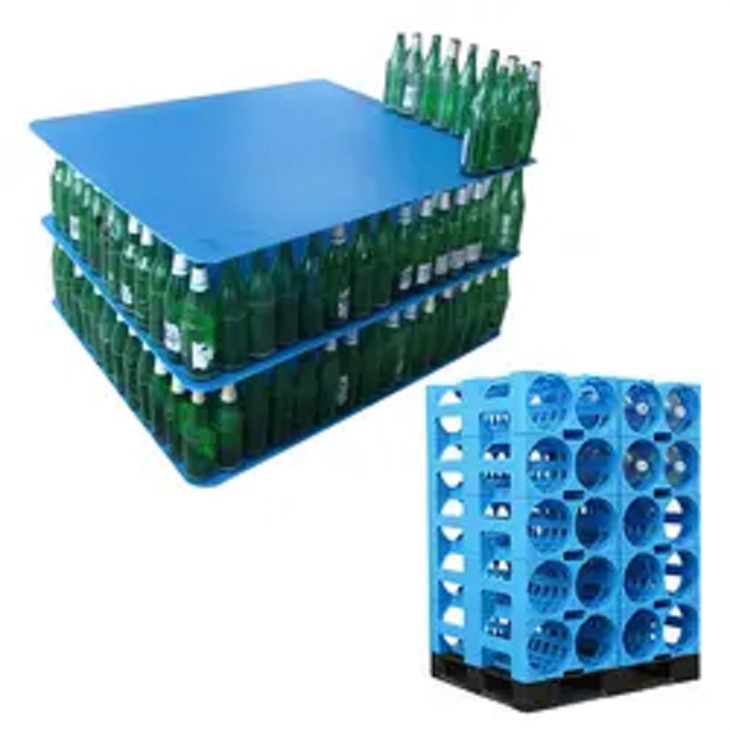
PP can also be used to create corrugated plastic structures, which are used in Pp Corrugated Plastic Packaging Layer Pads. These pads can be used in combination with 1210 Nestable Pallets to provide additional protection for goods during transit.
Recycled Plastics
With the growing emphasis on sustainability, the use of recycled plastics in 1210 Nestable Pallet manufacturing is on the rise. Recycled plastics are obtained from post - consumer or post - industrial waste, which is processed and re - used to create new pallets.
Using recycled plastics helps to reduce the demand for virgin materials, conserving natural resources and reducing the environmental impact of pallet production. These pallets are often more cost - effective than those made from virgin plastics, making them an attractive option for budget - conscious businesses.
However, it is important to note that the quality of recycled plastic pallets can vary depending on the source and processing of the recycled materials. Reputable suppliers ensure that the recycled plastics meet strict quality standards to guarantee the performance and durability of the pallets. For example, our company takes great care in sourcing and processing recycled plastics to produce high - quality 1210 Nestable Pallets that can meet the needs of our customers.
Wood
Although plastic has become the dominant material for 1210 Nestable Pallets, wood is still used in some cases. Wood pallets are known for their natural and traditional appearance. They are relatively inexpensive to produce and can be easily repaired if damaged.
Wood has good load - bearing capacity, especially when properly treated and constructed. However, wood pallets have some drawbacks. They are susceptible to moisture, which can lead to rot and decay. They are also more prone to damage from insects and fungi compared to plastic pallets.
In addition, wood pallets may require more maintenance, such as regular cleaning and treatment to prevent pests and decay. However, in certain industries where the aesthetic of wood is preferred or where cost is a major factor, wood 1210 Nestable Pallets can still be a viable option.
Composite Materials
Composite materials are a combination of different materials, such as plastic and wood fibers or glass fibers. These materials are designed to take advantage of the best properties of each component.
For example, a plastic - wood composite pallet can have the strength and durability of wood along with the moisture resistance and low maintenance requirements of plastic. Composite pallets can also be engineered to have specific properties, such as enhanced fire resistance or increased stiffness.
However, the production of composite materials can be more complex and costly compared to single - material pallets. But for applications where specific performance requirements need to be met, composite 1210 Nestable Pallets can offer a unique solution.
Conclusion
In conclusion, the choice of material for 1210 Nestable Pallets depends on various factors, including the intended application, load requirements, environmental conditions, and budget. HDPE and PP are popular plastic options due to their strength, durability, and resistance to various elements. Recycled plastics offer a sustainable and cost - effective alternative, while wood and composite materials have their own unique advantages.
If you are in the market for 1210 Nestable Pallets, we invite you to contact us for a detailed discussion about your specific needs. Our team of experts can help you select the most suitable material and pallet design for your business. Whether you are looking for a pallet for a one - time export use like our Export One Time Use Plastic Pallet or a long - term, high - performance solution, we have the expertise and products to meet your requirements.
References
- "Plastic Materials in Packaging: Properties and Performance" by John W. Bristow
- "Wood Packaging Materials: Design, Manufacturing, and Use" by George W. Freeman
- Industry reports on sustainable packaging and pallet manufacturing trends
