


What is the noise level when moving a spill plastic pallet?
As a supplier of spill plastic pallets, I often receive various inquiries from customers. One question that came up recently piqued my interest: What is the noise level when moving a spill plastic pallet? In this blog post, I'll delve into this topic, exploring the factors that influence the noise level, and provide some insights based on my experience in the industry.
Understanding Spill Plastic Pallets
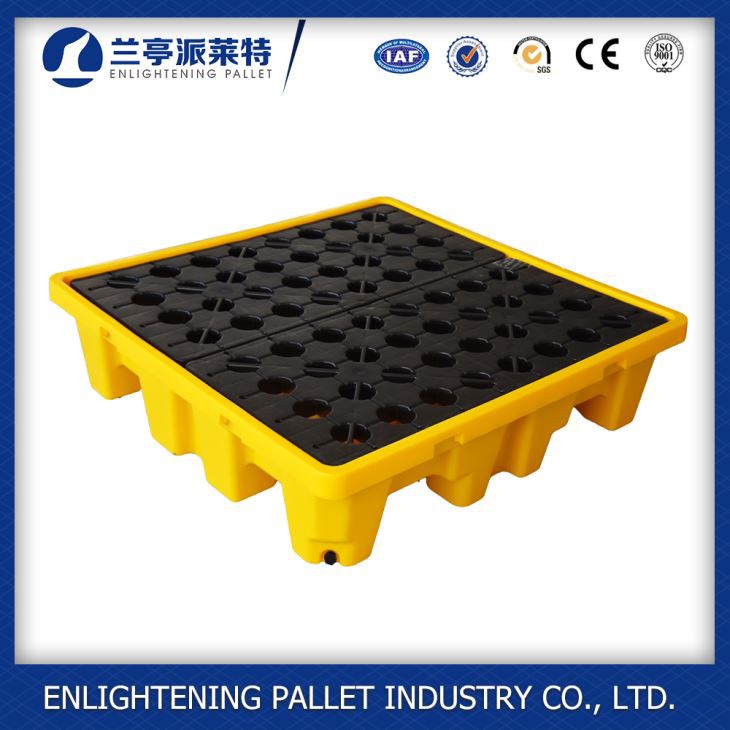
Before we discuss the noise level, let's briefly understand what spill plastic pallets are. Spill plastic pallets are designed to contain spills and leaks from drums or containers. They are commonly used in industries such as chemical, petroleum, and manufacturing, where the storage and transportation of hazardous materials are involved. These pallets are made of high - density polyethylene (HDPE) or other durable plastics, which provide excellent chemical resistance and structural integrity.
Some of our popular products include the China 4 Durm Poly Drip Deck Factory, HEDF 4 Drums Spill Pallet For Petroleum, and 55 - gallon Drum Spill Containment Pallet. These pallets are engineered to meet strict safety and environmental standards, ensuring that any spills are contained effectively.
Factors Affecting the Noise Level
The noise level when moving a spill plastic pallet can be influenced by several factors.
1. Surface Type
The surface on which the pallet is being moved plays a crucial role. If the surface is rough, such as a gravel or uneven concrete floor, the pallet is likely to produce more noise. The irregularities on the surface cause the pallet to vibrate and scrape, generating a significant amount of sound. On the other hand, a smooth surface like a polished concrete floor or a rubber - lined area will result in less noise as the pallet can glide more easily.
2. Moving Equipment
The type of equipment used to move the pallet also affects the noise level. Forklifts, for example, can produce a considerable amount of noise, especially if they are old or poorly maintained. The hydraulic systems, engine noise, and the metal - to - metal contact between the forks and the pallet can all contribute to the overall noise. Manual pallet jacks are generally quieter, but the noise still depends on the quality of the wheels and the ease of operation.
3. Pallet Design
The design of the spill plastic pallet itself can impact the noise level. Some pallets have a more complex structure with additional ribs or compartments, which can cause more air turbulence and noise when moving. Additionally, the shape of the pallet's edges and corners can affect how it interacts with the moving equipment and the surface, influencing the noise produced.
4. Load on the Pallet
The weight and distribution of the load on the pallet are important factors. A heavily loaded pallet will put more stress on the moving equipment and the surface, resulting in increased noise. Unevenly distributed loads can also cause the pallet to tilt or wobble, leading to more vibrations and noise.

Measuring the Noise Level
To accurately measure the noise level when moving a spill plastic pallet, a sound level meter can be used. The meter should be placed at a consistent distance from the pallet and the moving equipment, typically about 1 meter away. The measurement should be taken in an environment with minimal background noise to ensure accurate results.
In a typical industrial setting, the noise level when moving a spill plastic pallet can range from 60 to 80 decibels (dB). A noise level of 60 dB is similar to normal conversation, while 80 dB is comparable to the noise of a busy street. However, these values can vary significantly depending on the factors mentioned above.
Reducing the Noise Level
If the noise level when moving spill plastic pallets is a concern, there are several measures that can be taken to reduce it.
1. Surface Improvement
Smoothing the surface on which the pallets are moved can significantly reduce noise. This can be achieved by using floor coatings or mats. Rubber mats, for example, can absorb vibrations and reduce the impact of the pallet on the floor, resulting in less noise.
2. Equipment Maintenance
Regular maintenance of the moving equipment is essential. This includes checking and lubricating the wheels, forks, and hydraulic systems of forklifts and pallet jacks. Well - maintained equipment will operate more smoothly and quietly.
3. Pallet Selection
Choosing pallets with a simpler design and smoother surfaces can help reduce noise. Some manufacturers offer pallets specifically designed to be quieter, with features such as rounded edges and shock - absorbing materials.
4. Load Management
Proper load management is crucial. Ensuring that the load is evenly distributed on the pallet and not overloaded can reduce vibrations and noise. Using load - securing devices can also prevent the load from shifting during movement, further reducing noise.
Importance of Considering Noise Level
Considering the noise level when moving spill plastic pallets is not just about comfort. High noise levels in the workplace can have several negative impacts.
1. Health and Safety
Exposure to high noise levels for extended periods can cause hearing loss and other health problems for workers. By reducing the noise level, employers can create a safer and healthier work environment.
2. Productivity
Excessive noise can be distracting, reducing the productivity of workers. A quieter workplace allows employees to focus better on their tasks, leading to increased efficiency.
3. Neighbor Relations
In some industrial areas, high noise levels can cause problems with neighboring businesses or residents. By reducing the noise generated by moving pallets, companies can maintain good relations with their neighbors.
Conclusion
In conclusion, the noise level when moving a spill plastic pallet is influenced by multiple factors, including the surface type, moving equipment, pallet design, and load on the pallet. Measuring and reducing this noise level is important for health and safety, productivity, and neighbor relations. As a supplier of spill plastic pallets, we understand the importance of providing products that not only meet safety and environmental standards but also minimize noise.
If you are interested in our spill plastic pallets or have any questions about noise reduction and pallet selection, we encourage you to contact us for a detailed discussion. Our team of experts is ready to assist you in finding the best solutions for your specific needs.
References
- Industrial Noise Control Handbook. McGraw - Hill.
- Occupational Safety and Health Administration (OSHA) Guidelines on Noise Exposure.
- Plastic Pallet Manufacturing Industry Reports.
