


How do roto plastic pallets perform in corrosive environments?
Hey there! As a supplier of roto plastic pallets, I've gotten a ton of questions about how these bad boys perform in corrosive environments. So, I thought I'd sit down and share some insights based on my experience in the industry.
First off, let's talk about what makes roto plastic pallets so special. Rotomolding is a manufacturing process where plastic resin is heated and rotated inside a mold to create a seamless, hollow product. This results in pallets that are incredibly durable, with a smooth surface that's resistant to many forms of damage.
Now, when it comes to corrosive environments, there are a few key factors to consider. Corrosion can be caused by a variety of substances, including chemicals, salts, and moisture. These elements can eat away at materials over time, weakening them and reducing their lifespan.
One of the biggest advantages of roto plastic pallets in corrosive environments is their resistance to chemicals. Unlike wooden or metal pallets, plastic doesn't react with most chemicals. This means that roto plastic pallets can be used in industries where exposure to harsh chemicals is common, such as the chemical manufacturing, food processing, and pharmaceutical industries.
For example, in a chemical manufacturing plant, pallets are often exposed to acids, bases, and solvents. These chemicals can quickly corrode metal pallets, causing them to rust and weaken. Wooden pallets can also be damaged by chemicals, as they can absorb the substances and rot over time. Roto plastic pallets, on the other hand, can withstand these chemicals without any significant damage.
Another benefit of roto plastic pallets in corrosive environments is their resistance to moisture. Moisture is a major cause of corrosion, especially for metal pallets. When metal is exposed to water, it can rust, which weakens the structure of the pallet. Wooden pallets can also be damaged by moisture, as they can warp, rot, and develop mold.
Roto plastic pallets are waterproof, which means they won't absorb moisture. This makes them ideal for use in wet environments, such as warehouses near the coast or in areas with high humidity. Even if the pallets are submerged in water for a short period of time, they won't be damaged.
In addition to their chemical and moisture resistance, roto plastic pallets are also easy to clean. In a corrosive environment, it's important to keep pallets clean to prevent the buildup of corrosive substances. Roto plastic pallets can be easily washed with water and a mild detergent, which helps to remove any chemicals or debris that may have accumulated on the surface.
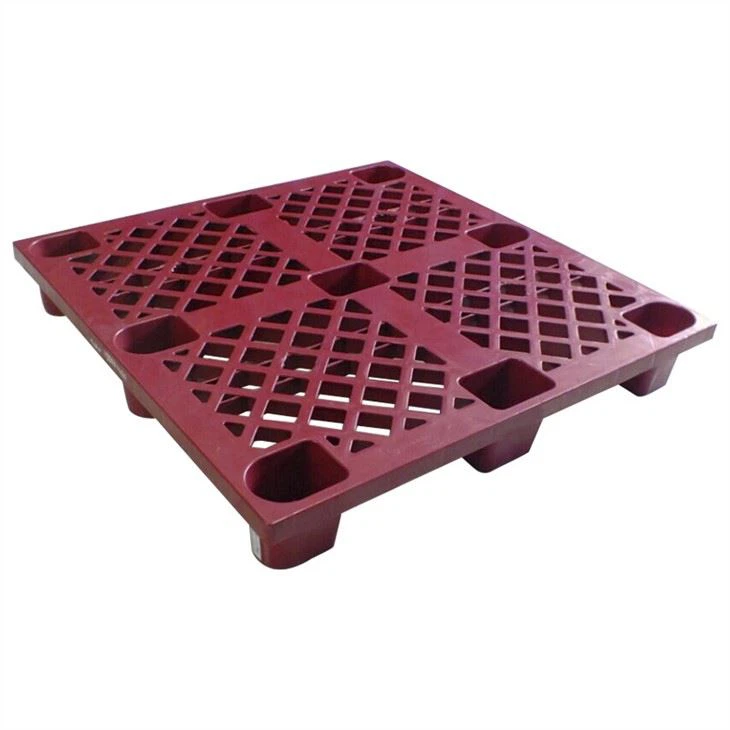
Now, let's take a look at some of the specific types of roto plastic pallets that are suitable for corrosive environments. One option is the Light Weight Plastic Pallet. These pallets are designed to be lightweight, which makes them easy to handle and transport. They're also made from high-quality plastic, which gives them excellent chemical and moisture resistance.
Another option is the Hygienic Food Grade Plastic Pallet. These pallets are specifically designed for use in the food processing industry, where hygiene is of the utmost importance. They're made from food-grade plastic, which is safe for contact with food. They're also easy to clean and sanitize, which helps to prevent the growth of bacteria and other contaminants.
If you're in the flour industry, the Double Faced Reversable Plastic Pallets Flour Industry Use are a great choice. These pallets are designed to be strong and durable, with a double-faced design that allows them to be used on both sides. They're also resistant to chemicals and moisture, which makes them ideal for use in a flour mill or other flour processing facility.
Of course, no product is perfect, and roto plastic pallets do have some limitations. One of the main limitations is their cost. Roto plastic pallets are generally more expensive than wooden or metal pallets. However, when you consider their long lifespan, low maintenance requirements, and resistance to corrosion, the cost can be justified in the long run.

Another limitation is their temperature resistance. While roto plastic pallets can withstand a wide range of temperatures, they may not be suitable for use in extremely high or low temperature environments. If you need pallets for use in a very hot or cold environment, you may need to consider other options.
In conclusion, roto plastic pallets perform extremely well in corrosive environments. Their resistance to chemicals, moisture, and damage makes them a great choice for industries where exposure to these elements is common. Whether you're in the chemical manufacturing, food processing, or flour industry, there's a roto plastic pallet that's right for you.
If you're interested in learning more about our roto plastic pallets or would like to discuss your specific needs, please don't hesitate to get in touch. We're here to help you find the perfect pallet solution for your business.
References
- "Plastic Pallets: A Comprehensive Guide." Plastic Pallet Manufacturer's Association.
- "Corrosion Resistance of Plastics." Journal of Materials Science.
